Local guide · Warren
Custom Wood Fencing Built for Warren's Freeze-Thaw Seasons
Custom wood fencing in Warren, ME requires installation techniques specifically designed to handle the region's freeze-thaw cycles, with proper post depth and drainage systems preventing seasonal damage. If you're searching for wood…
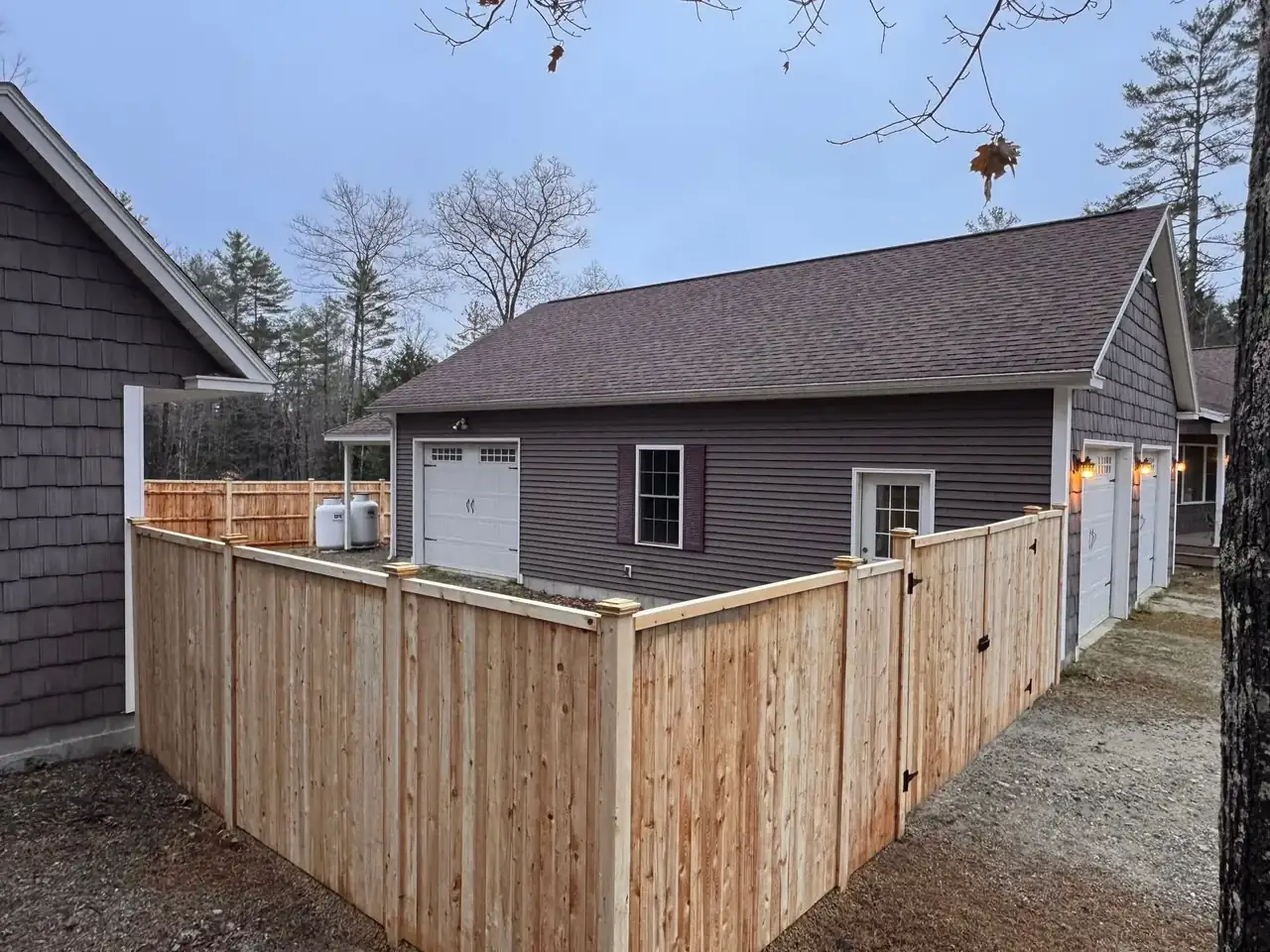
Custom wood fencing in Warren, ME requires installation techniques specifically designed to handle the region's freeze-thaw cycles, with proper post depth and drainage systems preventing seasonal damage. If you're searching for wood fencing near me, understanding how Maine's winter moisture affects fence longevity is essential to making a smart investment.
How Does Post Depth Protect Against Frost Heave?
Posts must extend below the frost line to prevent winter ground movement from shifting the fence structure over time.
Maine's frost line reaches approximately 48 inches deep in midcoast areas. When fence posts sit above this depth, the freezing and expanding soil pushes them upward each winter, creating misalignment and structural weakness.
Proper installation anchors posts at least four feet down, with gravel backfill creating drainage channels. This prevents water from pooling around the base, where it would freeze and exert pressure on the wood.
What Wood Species Handle Seasonal Moisture Best?
Cedar and pressure-treated pine resist rot when moisture cycles between wet springs and dry summers in Warren, ME.
Cedar contains natural oils that repel water and inhibit decay, making it ideal for picket and privacy designs. Pressure-treated pine uses chemical preservatives forced deep into the grain, protecting against fungal growth even when the wood stays damp for weeks.
Both species expand and contract with humidity changes, so proper spacing between boards allows movement without warping. For homeowners in Warren, ME, choosing the right material means fewer repairs as the fence ages through seasonal transitions. J&M Exteriors offers wood fencing services in Warren that account for these regional conditions.
Do Drainage Solutions Prevent Water Damage?
Gravel bases and sloped grade lines channel water away from fence posts, reducing the risk of rot and frost heave.
Without drainage, spring melt and fall rains create standing water at post bases. This moisture seeps into the wood grain, weakening the structure and inviting decay. Installing a four-inch gravel bed around each post creates a path for water to escape instead of saturating the wood.
Sloping the ground slightly away from the fence line also helps. Even a one-inch drop over three feet of distance moves runoff before it can pool. These techniques extend fence life significantly in climates with heavy snow and rain.
When Should Warren Homeowners Plan Fence Installation?
Late spring through early fall offers the driest soil conditions for setting posts and allowing materials to acclimate before winter.
Installing during dry months means post holes remain stable as concrete cures, and wood can adjust to ambient humidity levels before the first freeze. Scheduling in May through September also avoids muddy, frozen ground that complicates digging and alignment.
Warren, ME residents benefit from planning ahead, as contractors book quickly during peak season. Early consultation ensures your project fits the weather window and your timeline.
A well-installed wood fence withstands decades of Maine weather when built with the right depth, materials, and drainage. See how vinyl fencing services in Warren compare for different property needs, or connect with J&M Exteriors to plan your custom wood fence installation.
Related services