Outdoor structures

Arbors in Midcoast Maine

Small structure. Lasting character.

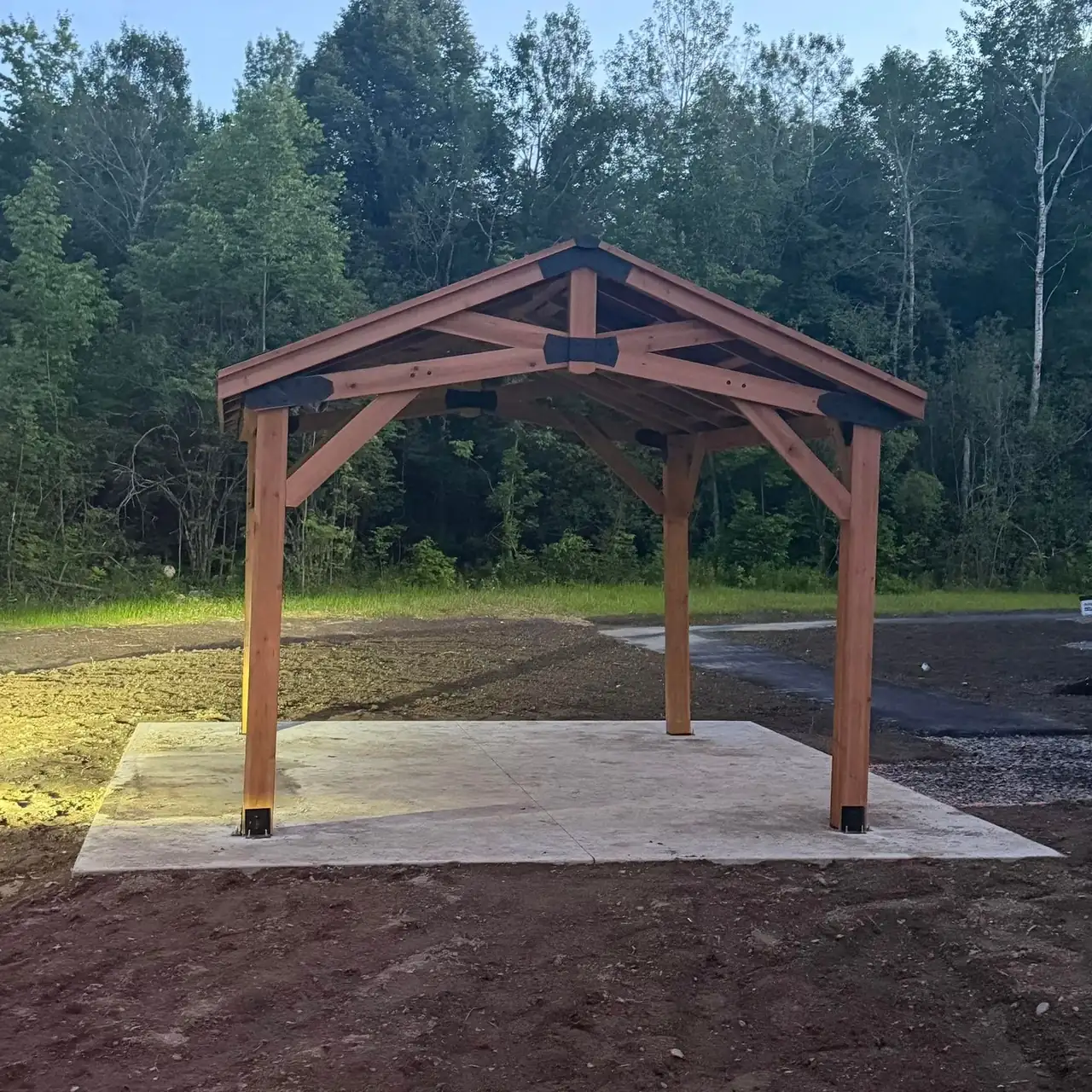
An arbor creates a clear moment of arrival in a garden or yard. Use it to frame a path, complement a gate, or add vertical interest to your landscape.

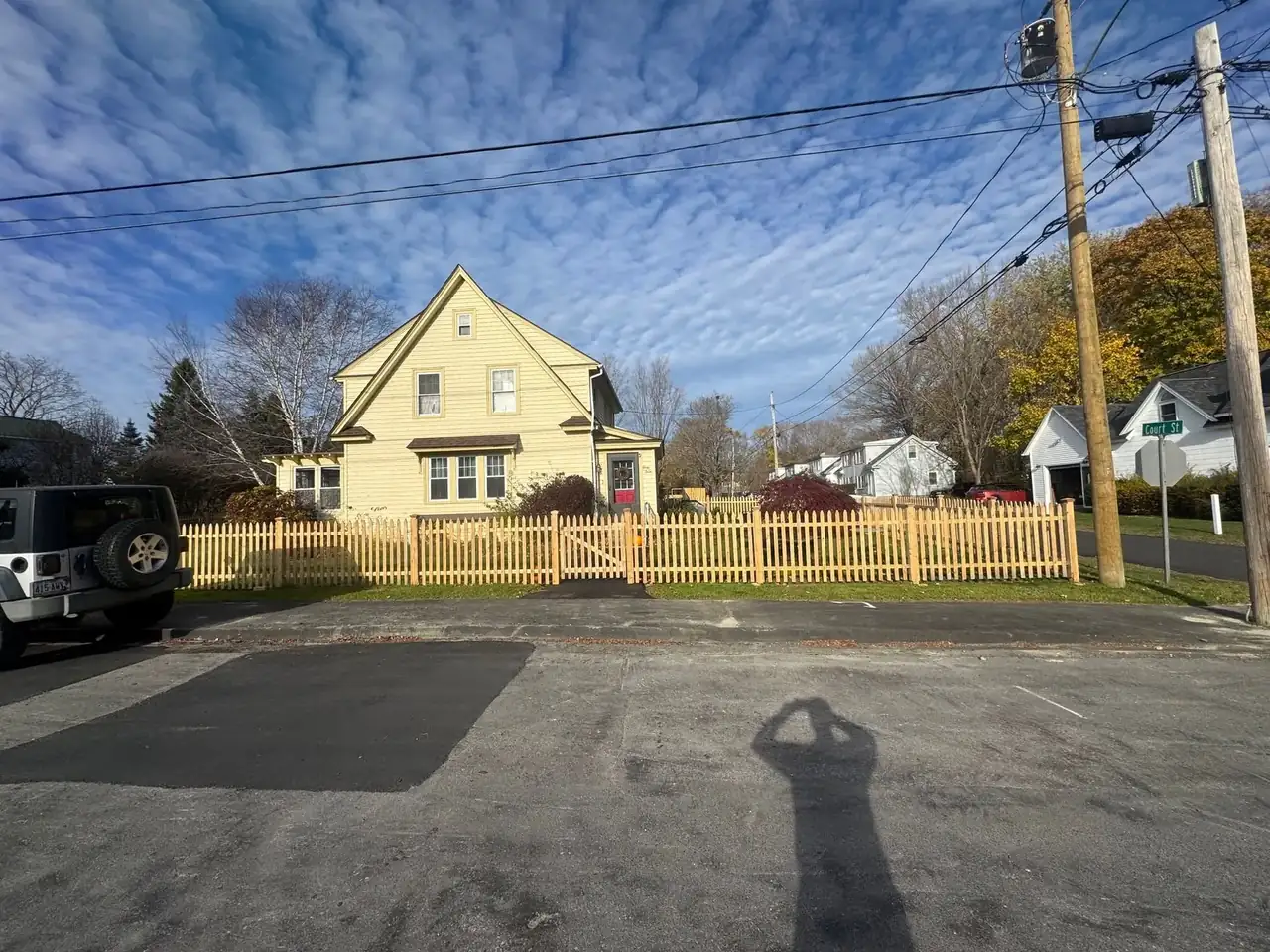
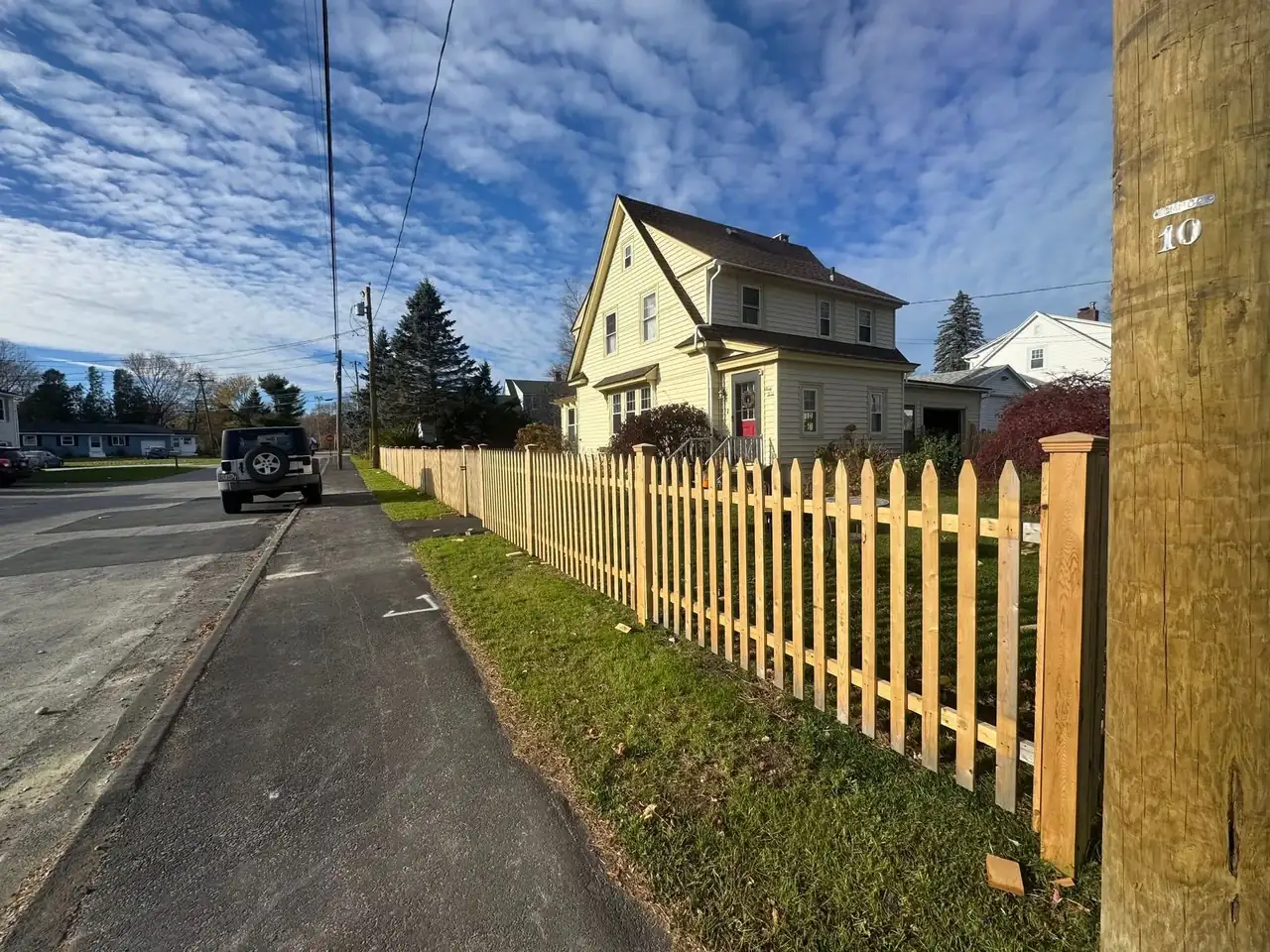
Wood picket fence in front of a yellow house

What we plan together

Thoughtfully planned. Carefully built.

  1. Create a natural focal point

    A well-placed arbor gives a garden path or fence opening a more intentional finish. Proportions should suit the planting and surrounding structures.

  2. Plan the details together

    Width, overhead clearance, material, anchoring, and any climbing plants should be considered as one design.

  3. A threshold that ties the landscape together

    Arbors can frame a walkway or gate, connect lawn and garden areas, and complement fencing or stone walls. Materials, anchoring, plant support, and comfortable clearance shape the design.

Outdoor Structures That Define Your Property

An arbor creates a deliberate threshold between one part of your property and another, marking an entrance to a garden path, framing a gate, or defining the transition from lawn to planting beds. J&M Exteriors builds arbors across Warren and surrounding Maine communities, where residential properties often benefit from structures that integrate with existing fencing, stone walls, or natural landscape features. The arbor becomes a visual anchor that directs movement and draws attention to specific areas of your yard without overwhelming the space.

These smaller architectural features serve multiple functions depending on placement and design. An arbor positioned over a walkway provides partial overhead coverage and creates a sense of passage, while one placed at a property line can soften the boundary and add vertical interest. When coordinated with fencing or gate installations, arbors contribute to a cohesive design that makes the property feel more intentional rather than assembled from unrelated components.

Schedule an arbor project consultation to discuss placement options and how the structure can complement your existing landscape.

What an Arbor Adds to Property Layout

An arbor installation involves setting posts securely in the ground, constructing an overhead framework, and finishing the structure to withstand seasonal exposure. The design can remain open and minimal or include lattice panels on the sides, depending on whether you want the arbor to stand alone or support climbing plants over time. Proper anchoring matters in Maine, where freeze-thaw cycles and wind exposure affect any outdoor structure that extends above ground level.

Once the arbor is complete, you notice how it changes the way you move through the yard. What was previously an undefined path now has a clear entry point, and areas that felt disconnected begin to relate to each other visually. The structure remains functional year-round, framing views in winter and providing support for seasonal plantings during warmer months.

Arbors work particularly well when integrated with other exterior projects. If you're installing a fence or gate, adding an arbor at the entrance creates continuity across the design. If you're updating garden beds or walkways, an arbor can define the access point and establish a focal element that ties the project together.
Questions About Arbor Projects

Property owners in Warren often ask how arbors fit into their existing landscape and what practical considerations affect placement and design.

J&M Exteriors works with property owners throughout Warren, Rockland, Waldoboro, Belfast, Camden, Rockport, Damariscotta, Augusta, Waterville, Gardiner, Bristol, Lincolnville, Bath, Jefferson, and Brunswick to plan arbor projects that integrate with existing landscape features and exterior structures. Call (207) 242-5108 to arrange a site visit and review design options for your property.

More questions about arbors
What determines arbor placement on a property?

Placement depends on where you want to create a visual or functional transition, such as over a garden entrance, along a fence line, or at the start of a pathway. The arbor should enhance movement through the space rather than obstruct it, and it needs adequate clearance for walking beneath the overhead structure.

How does an arbor handle Maine weather conditions?

Arbors face the same seasonal exposure as fencing and decking, including moisture, temperature swings, and UV exposure. Construction methods focus on secure post installation and finish protection to prevent early deterioration, with attention to joints and fasteners that may loosen over time due to wood expansion and contraction.

What options exist for arbor design?

Design choices include the height and width of the opening, the style of the overhead framework, whether side panels are included, and how the structure connects with adjacent features like fences or gates. The design should match the scale of your property and the architectural character of surrounding elements.

When should an arbor be installed during a landscape project?

Arbor installation typically happens after major grading and hardscape work but can be coordinated with fencing, gate, or walkway projects to maintain design consistency. If you're planning multiple exterior updates, sequencing the work prevents the arbor from interfering with access or requiring later adjustments.

What maintenance does an arbor require after installation?

Regular inspection of post stability, finish condition, and joint integrity extends the lifespan of the structure. Any signs of wood decay, loose fasteners, or finish failure should be addressed before they compromise the arbor's structural function or appearance.

From our project gallery

View the full gallery
CallPlan your free estimate