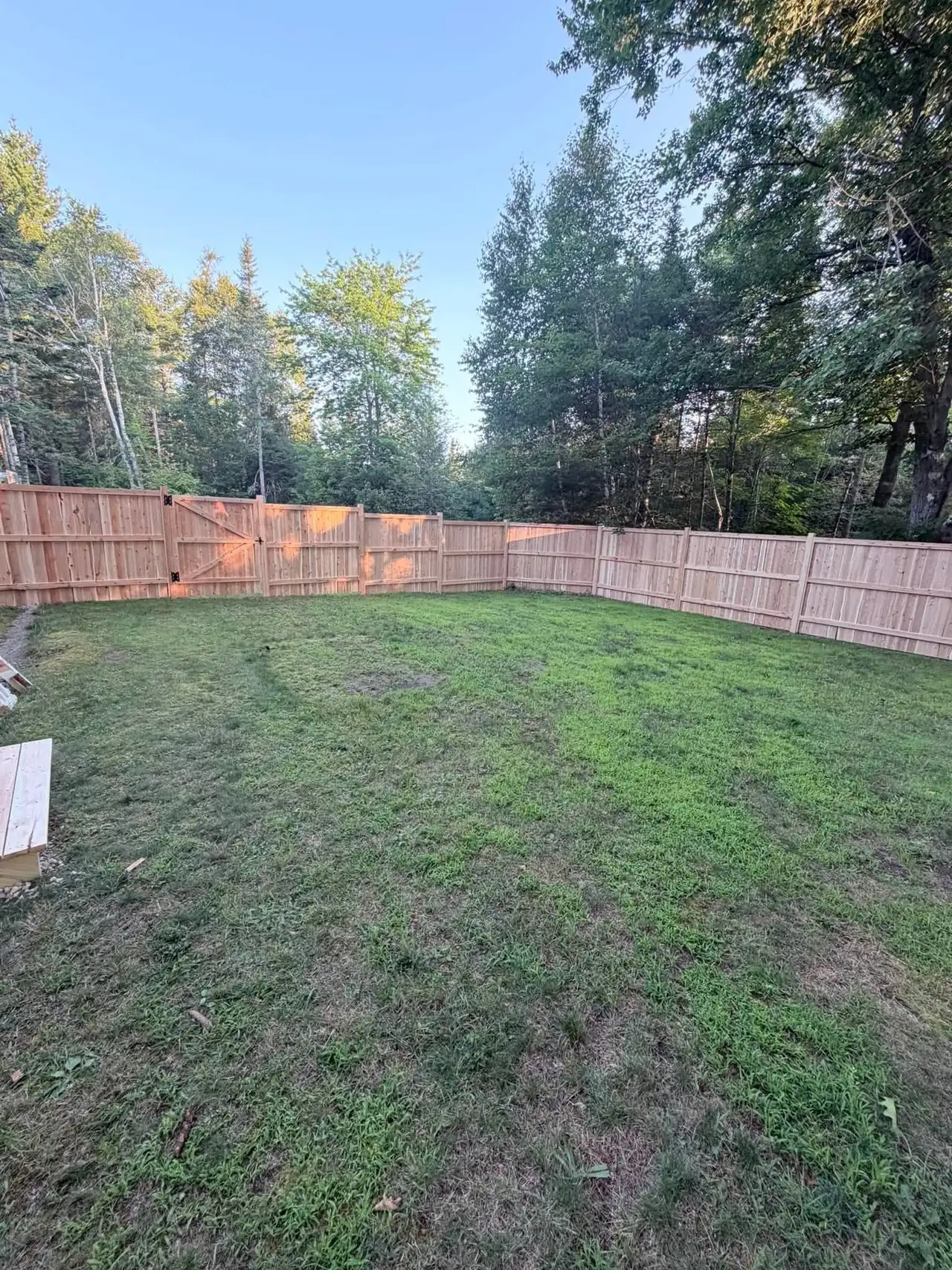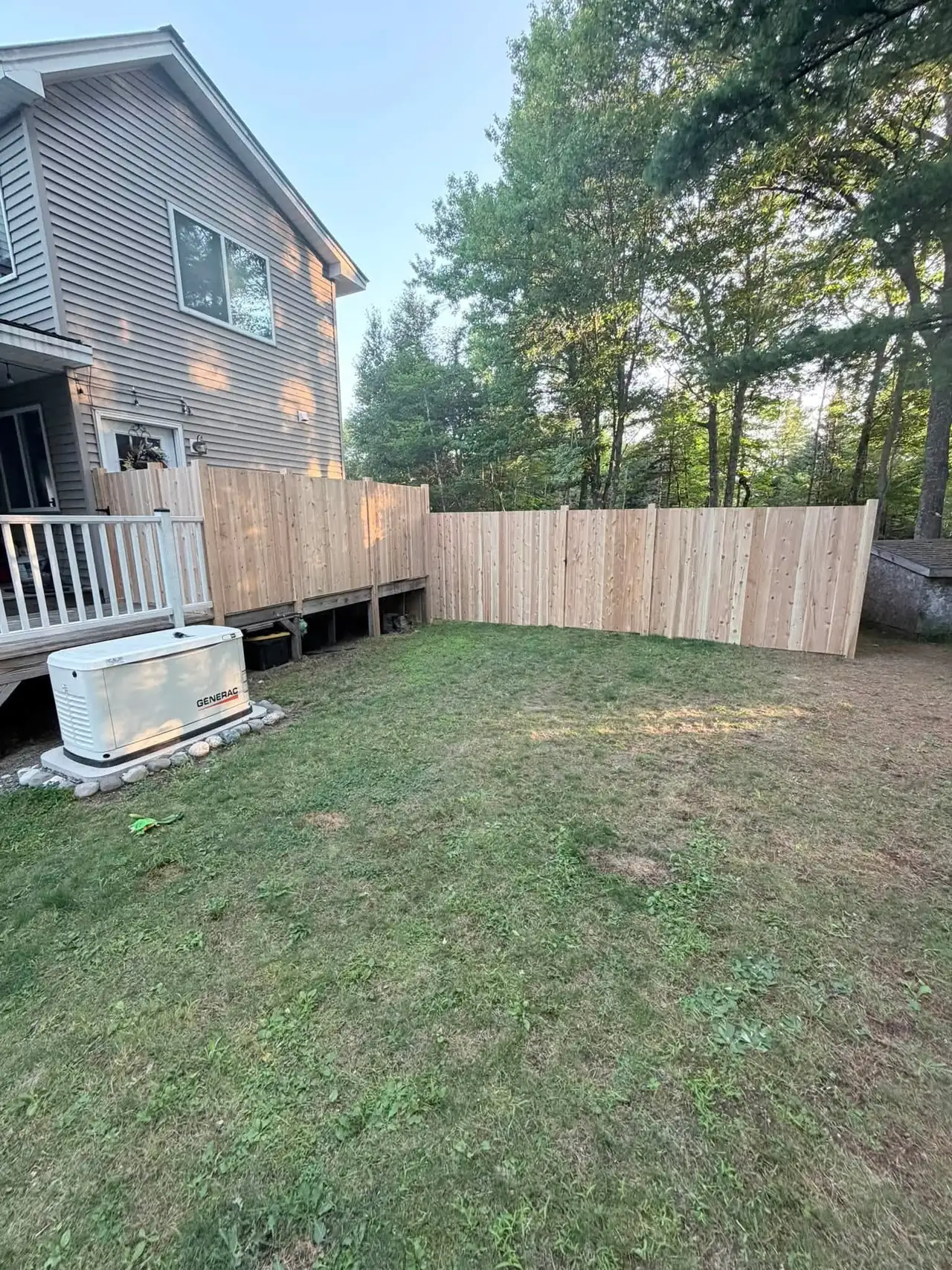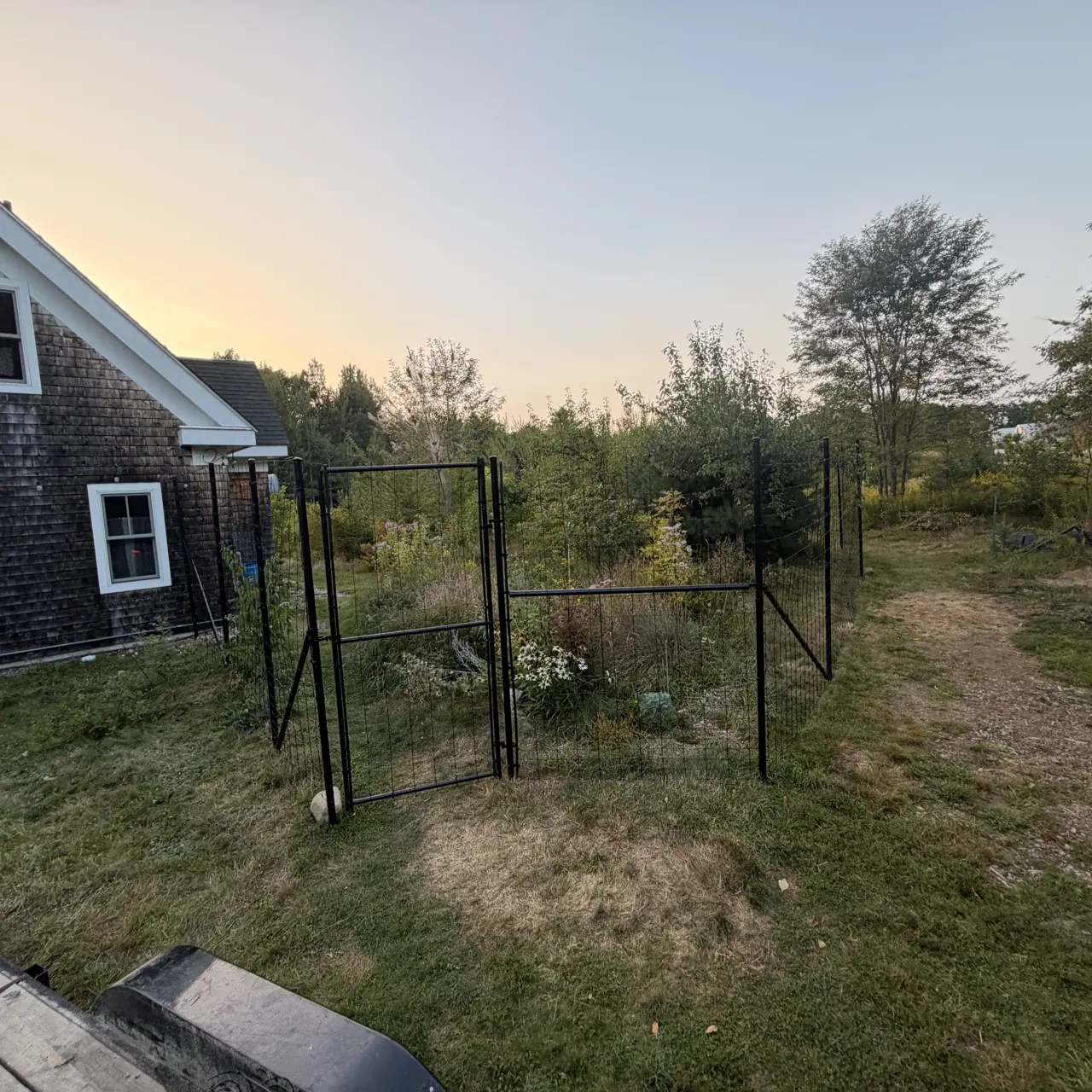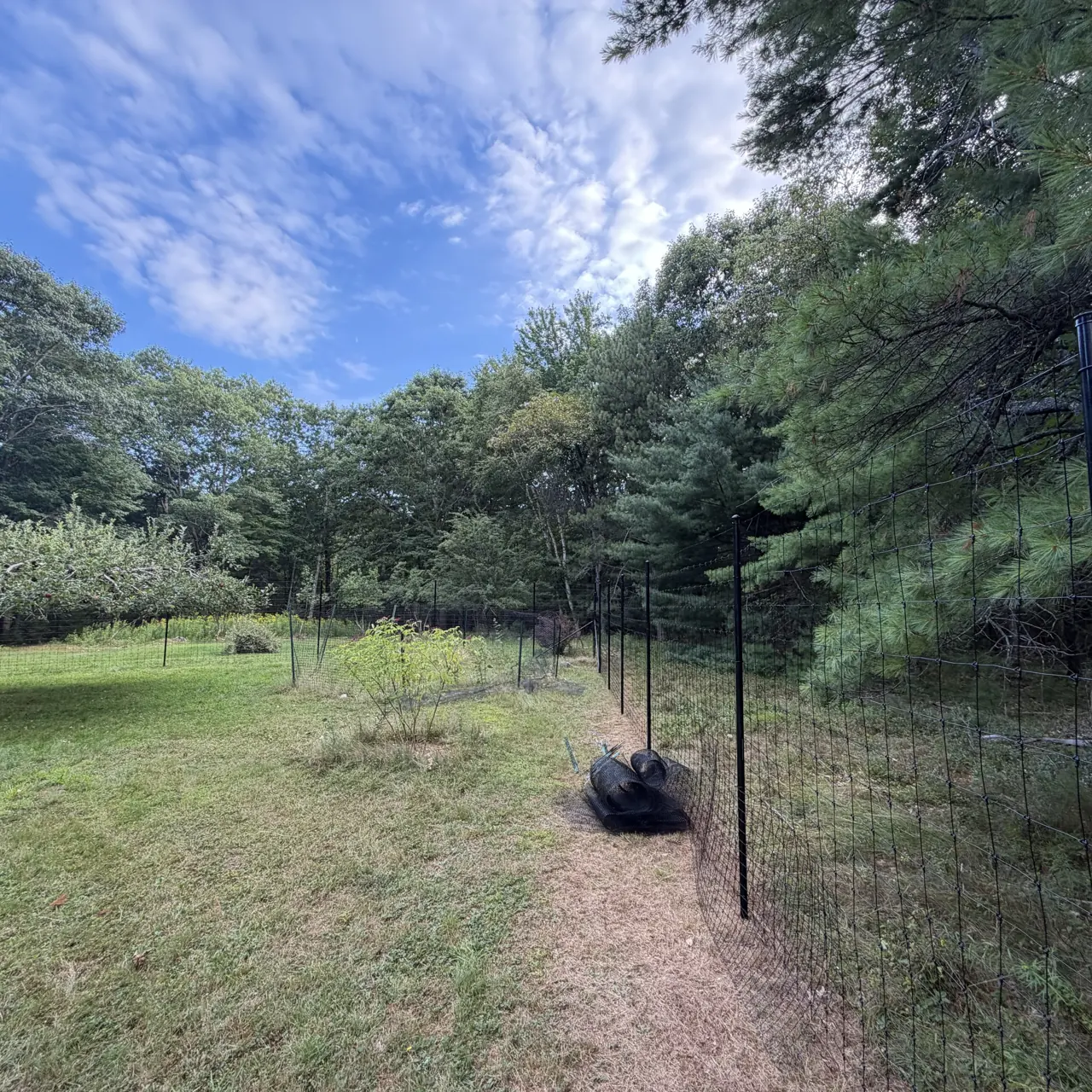
Gardens Protected from Persistent Wildlife Pressure
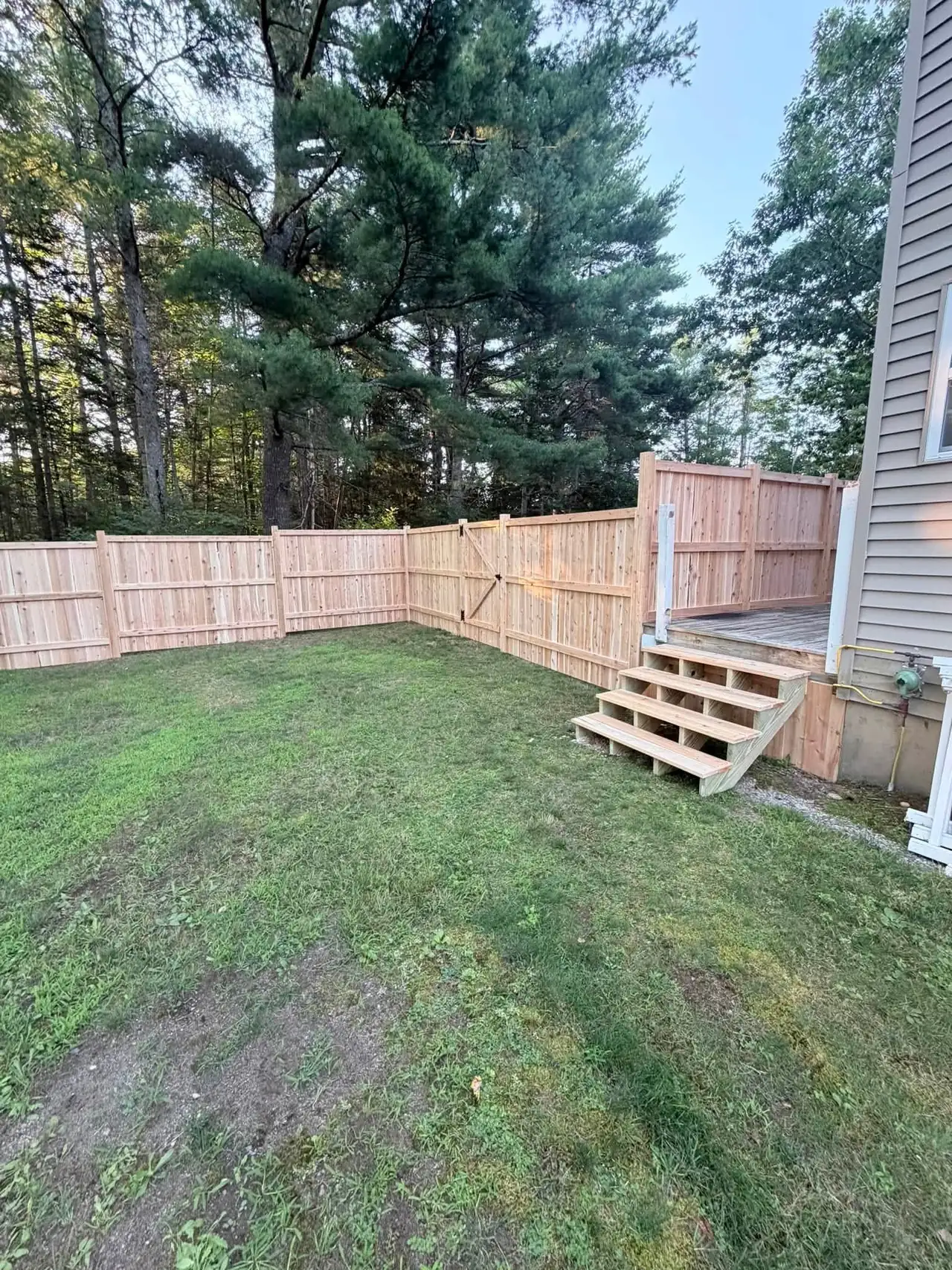
Wooded properties and rural homesites throughout Midcoast Maine face ongoing deer pressure on gardens, ornamental plantings, vegetable beds, and young trees vulnerable to browsing that strips foliage, damages bark, and prevents successful establishment. J&M Exteriors installs deer fencing for residential and commercial customers in Warren where protecting landscaping investment and maintaining garden productivity require a physical barrier that discourages access without creating visual clutter or obstructing property views. Fence height, placement relative to plantings, and access points for maintenance determine whether the enclosure effectively reduces wildlife intrusion.
Installation involves planning layout around the areas needing protection, setting posts to support taller fence heights without sagging, and positioning gates where you need access for watering, harvesting, or seasonal maintenance. Terrain, proximity to wooded edges, and existing deer travel patterns influence where pressure is highest and how the fence should route to create an effective enclosure.
Request a deer fencing consultation to evaluate your property layout, identify vulnerable plantings, and discuss enclosure options for your specific site conditions.
Why Deer Fencing Works for Protected Planting Areas
Deer fencing creates a physical barrier tall enough to discourage jumping and positioned to block ground-level entry points where wildlife would otherwise access garden beds, ornamental plantings, or fruit trees during nighttime feeding. The enclosure reduces browsing damage by making the effort required to access plantings greater than the reward, with effectiveness depending on fence height, how completely the perimeter is enclosed, and whether gates remain securely closed.
After installation, your garden beds, landscaping, and young trees grow without repeated foliage loss and bark damage, vegetable crops reach harvest without being stripped overnight, and ornamental plantings develop full foliage rather than stunted, browsed growth. You enter and exit through gates placed for convenient access to the enclosed area while maintaining a barrier that discourages casual wildlife entry from wooded edges or neighboring properties.
Deer fencing works best when planned around specific vulnerable areas rather than attempting to enclose entire large properties, with practical applications including vegetable gardens, ornamental beds near the home, fruit tree plantings, and high-value landscaping worth protecting. The enclosure does not guarantee zero wildlife access, particularly if gates are left open, fence height is insufficient, or the layout includes gaps where determined animals can push through or slip under the barrier.