Practical Boundaries Built for Working Land
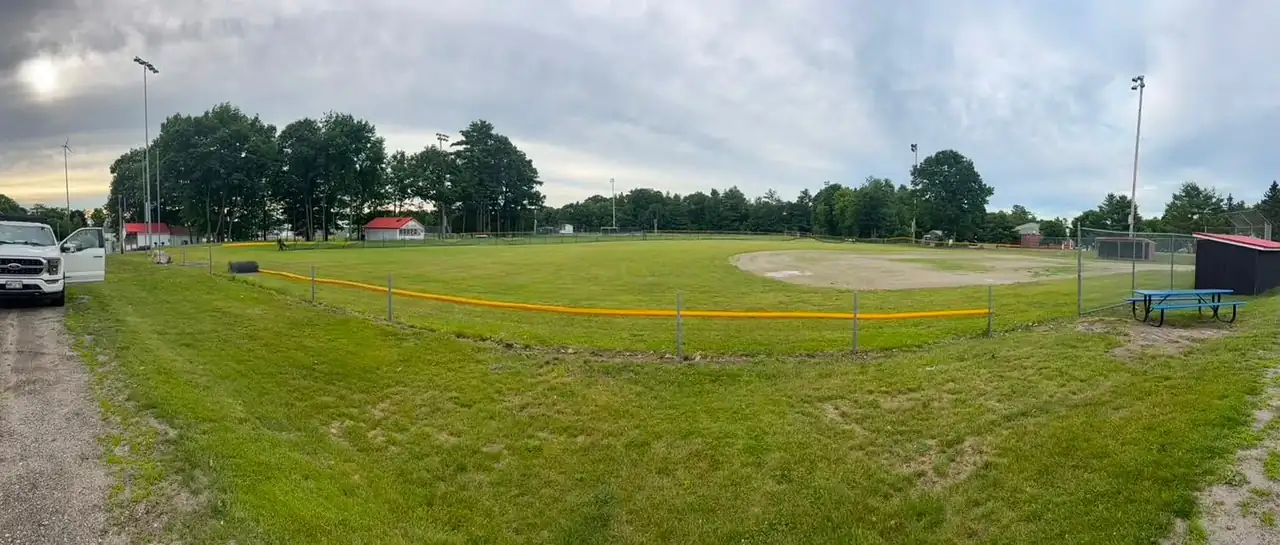
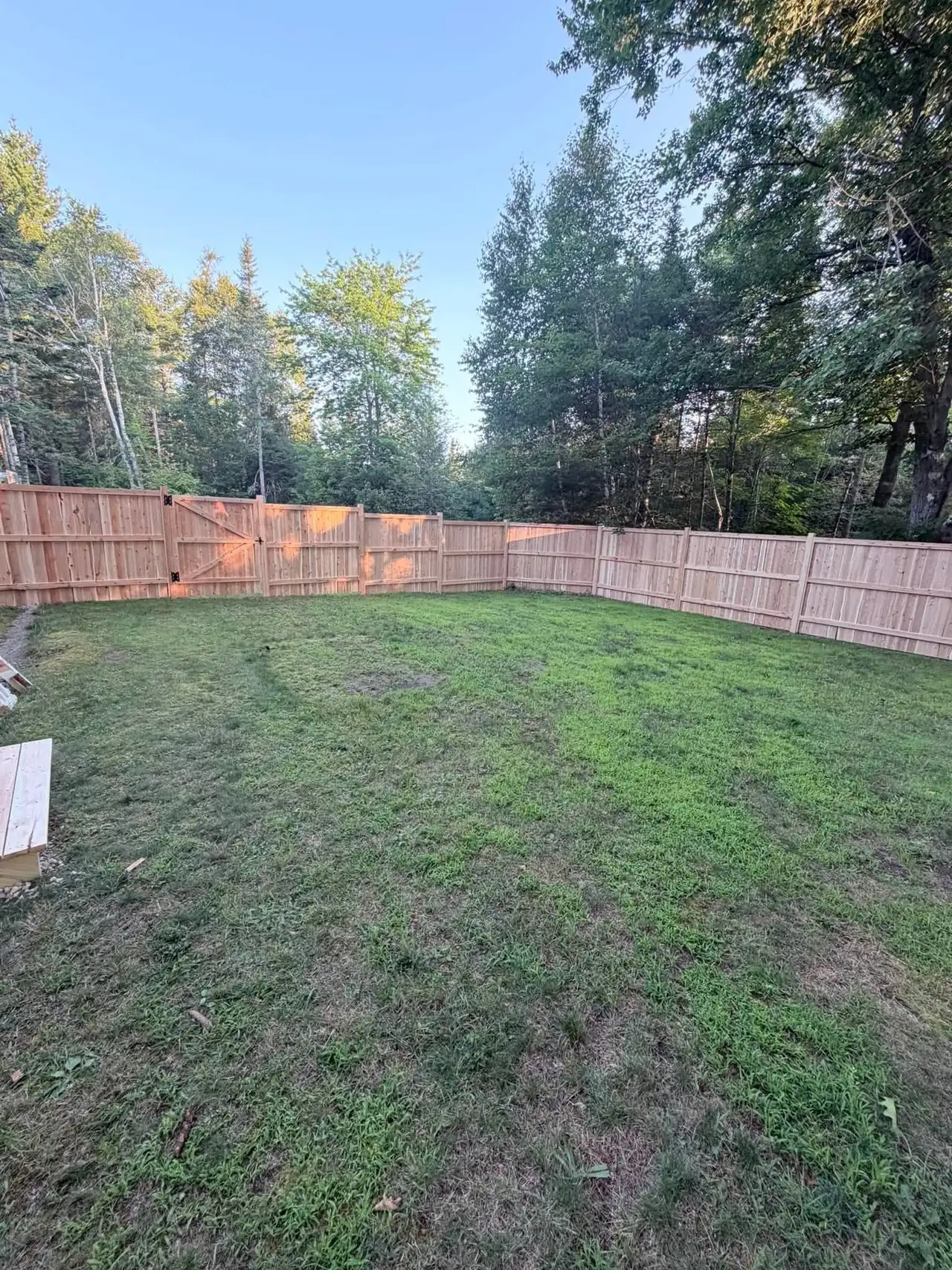
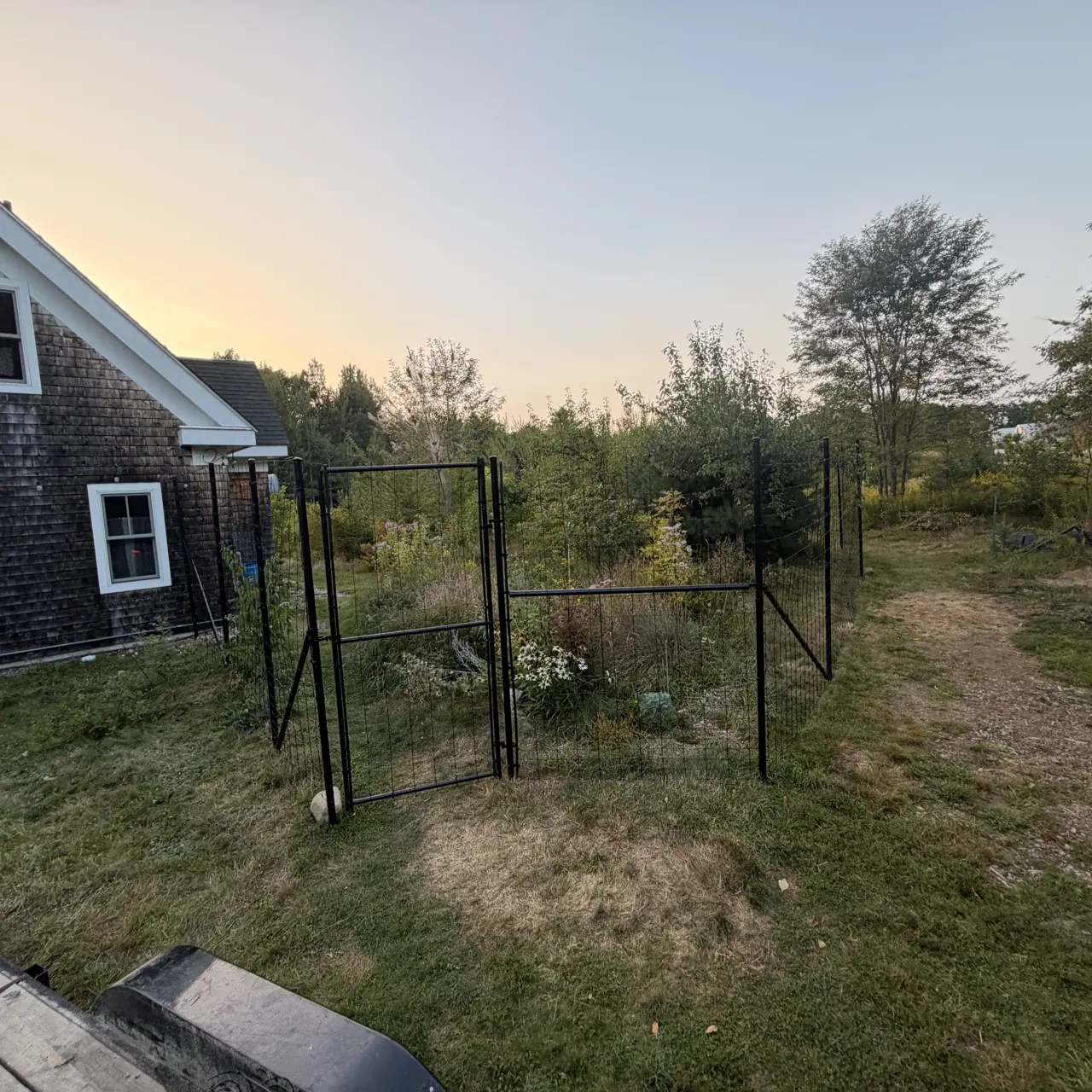
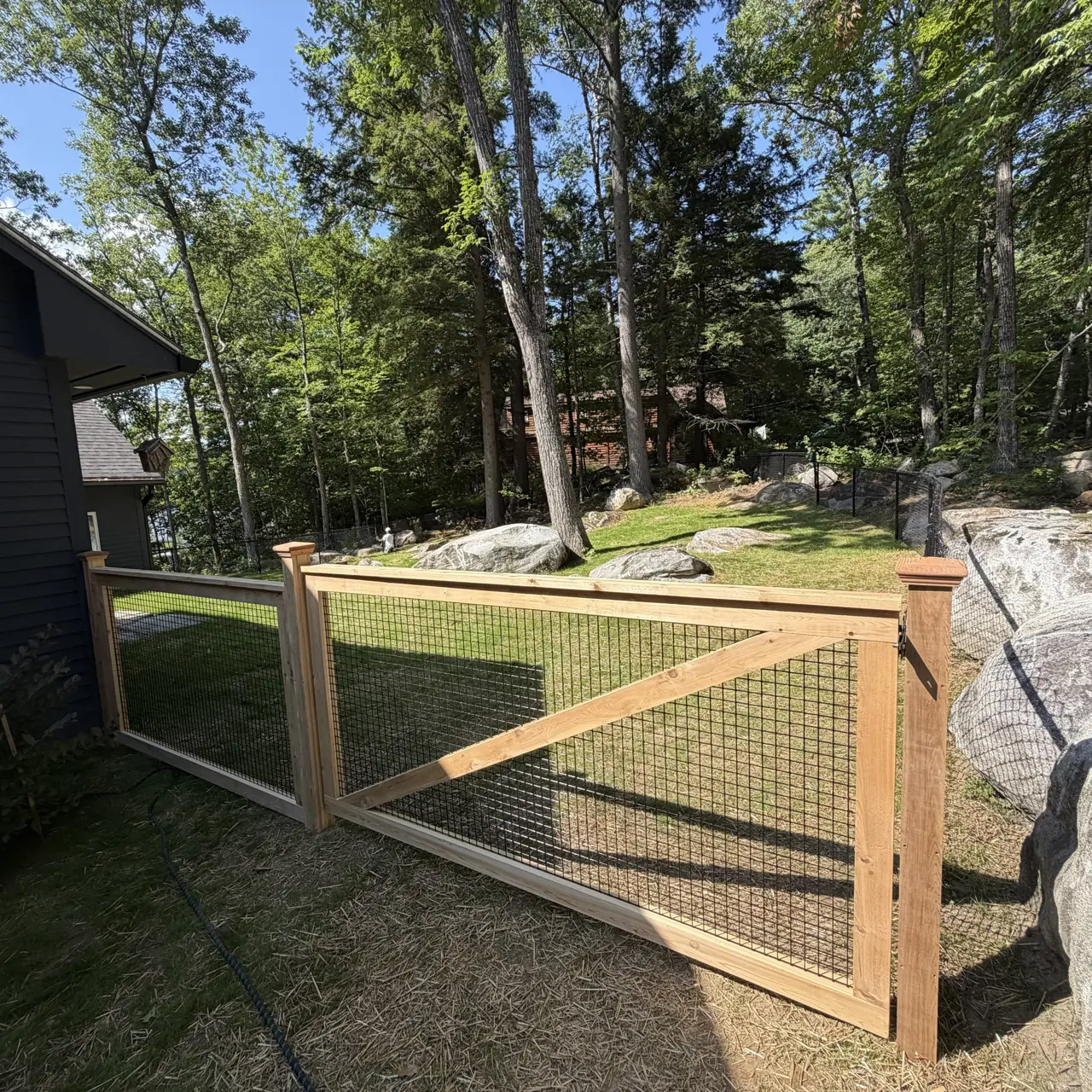
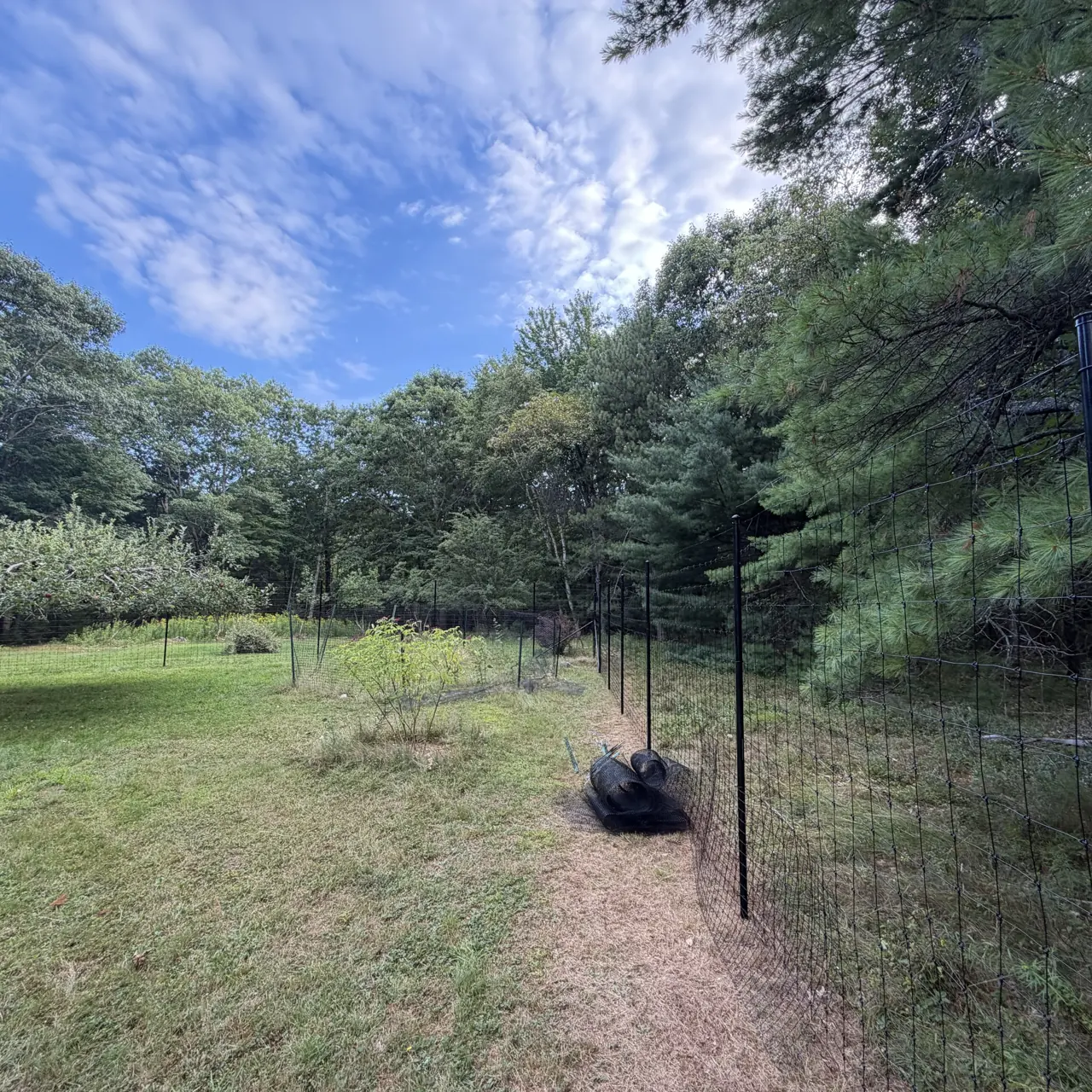
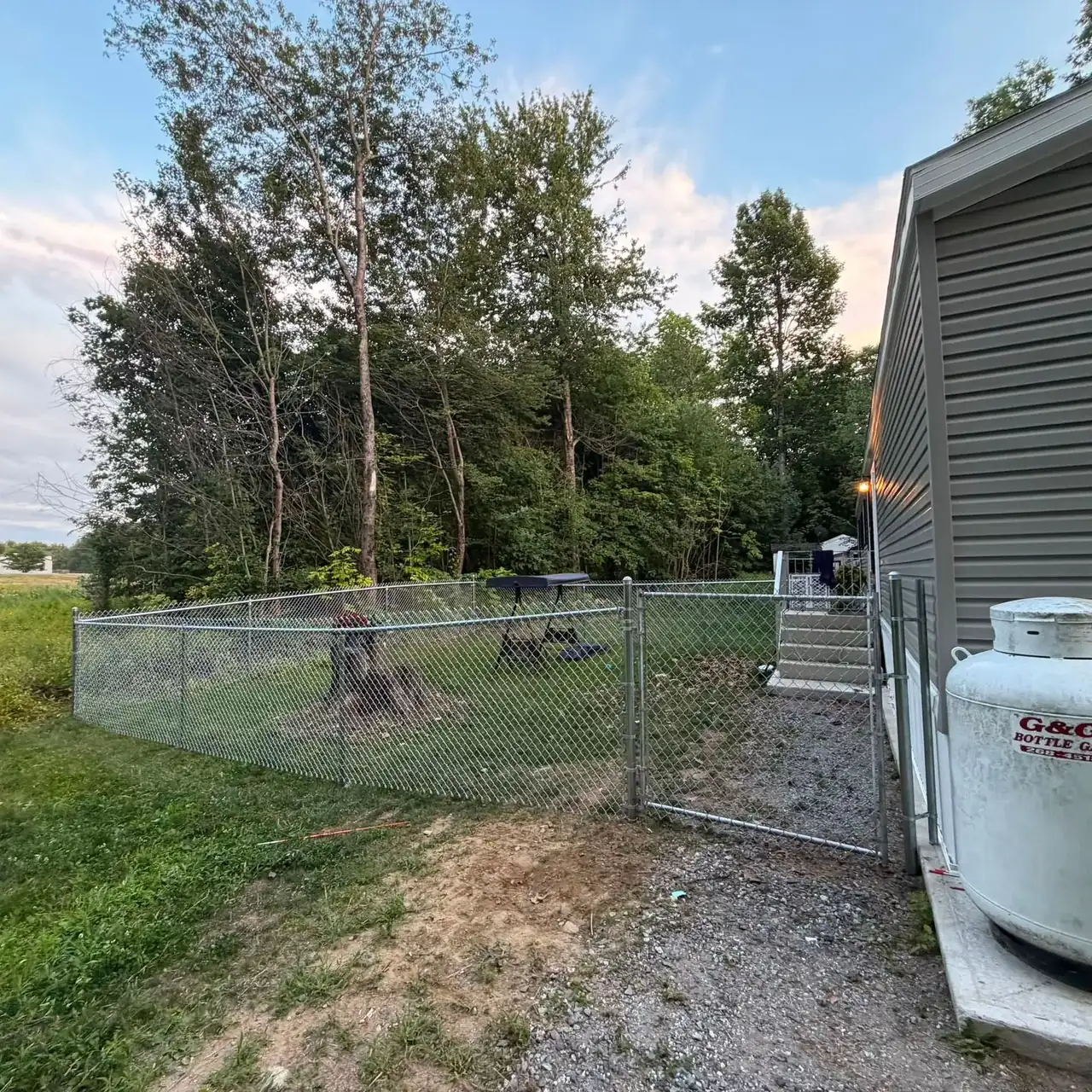
J&M Exteriors installs welded wire, woven wire, and field fence throughout rural Midcoast Maine, where properties often require durable boundaries that handle real working conditions. Agricultural fencing serves farms, homesteads, and larger residential parcels that need clearly defined field boundaries, enclosed outdoor areas, or practical perimeter control. The choice between welded wire, woven wire, and field fence depends on the terrain you're covering, the gate access you need, and how the fence will be used once it's in place.
This type of fencing addresses the need for long runs across uneven ground, secure enclosures that withstand pressure from animals or equipment, and boundaries that remain stable through Maine's freeze-thaw cycles and seasonal weather changes. Installation planning accounts for hillsides, rocky sections, drainage patterns, and gate locations so the finished fence follows the land without creating maintenance problems later.
Schedule a property evaluation to review fence layout, material selection, and gate placement for your agricultural fencing project.
What Agricultural Fencing Actually Accomplishes
Welded wire uses heavier gauge wire formed into a rigid grid that holds its shape under pressure and suits applications where animals or equipment contact the fence regularly. Woven wire includes knots at each intersection, creating flexibility that adapts to uneven terrain without gaps forming at ground level. Field fence combines larger openings with horizontal and vertical wires, offering a balance between visibility and containment for areas where you need a secure boundary without blocking sightlines entirely.
Once the fence is installed, you'll notice defined property lines that remain visible year-round, enclosed areas that separate different land uses, and secure boundaries that don't shift or sag when subjected to wind, snow load, or incidental contact. Gates swing freely without binding, corner posts remain plumb, and fence lines follow terrain without creating low spots where animals or debris can pass underneath.
Proper agricultural fencing also includes bracing at corners and ends, tensioning that prevents sagging between posts, and planning for water movement during heavy rain or snowmelt. Posts are set below frost depth to prevent heaving, and gate hardware is selected based on how often the gate will be operated and what load it will carry.