Fencing

Chain link fencing in Midcoast Maine

Practical protection. Open sightlines.

Chain link defines a boundary while keeping the view open. It is well suited to larger enclosures, pet areas, and commercial perimeters where function and visibility matter.

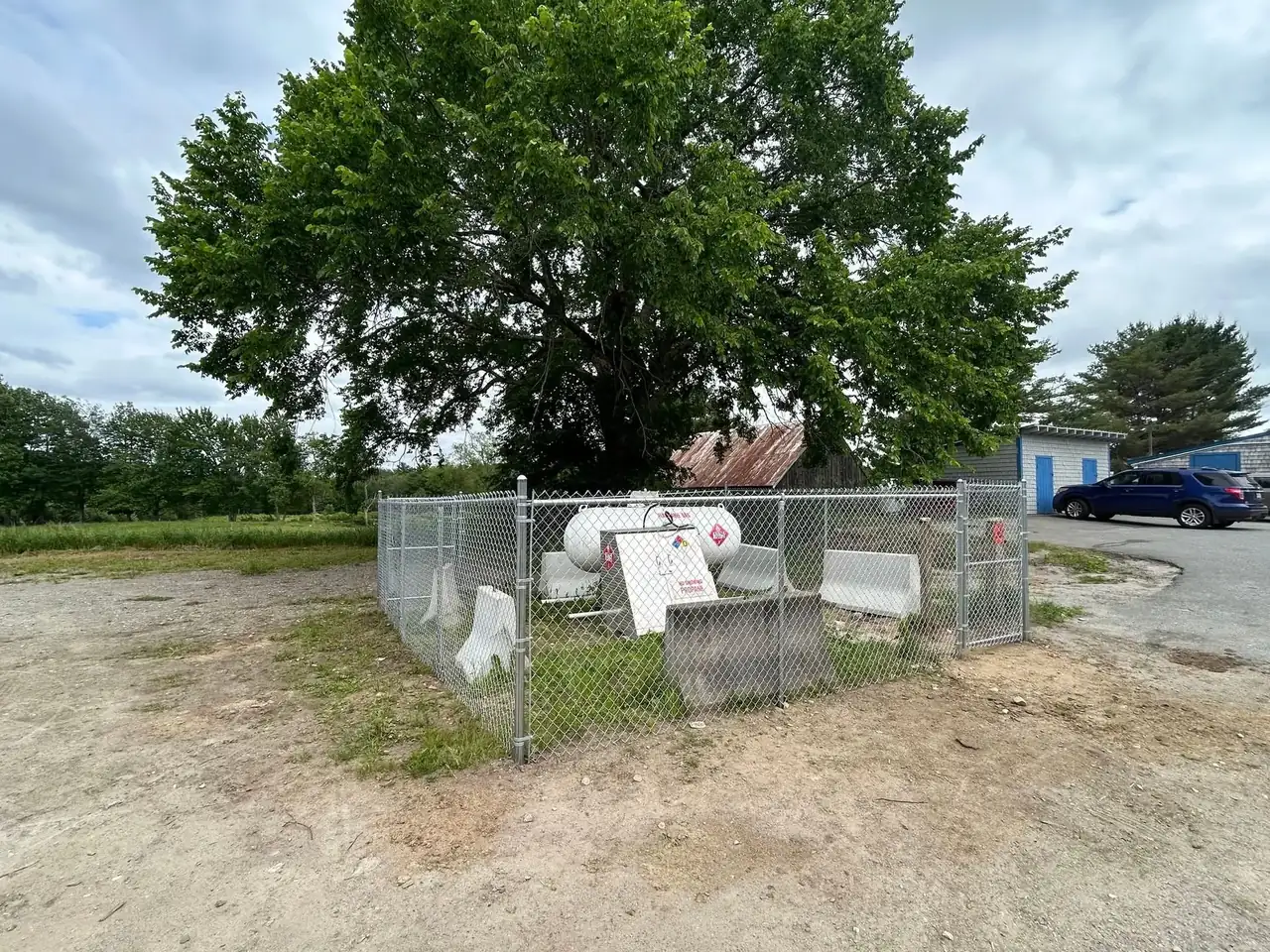
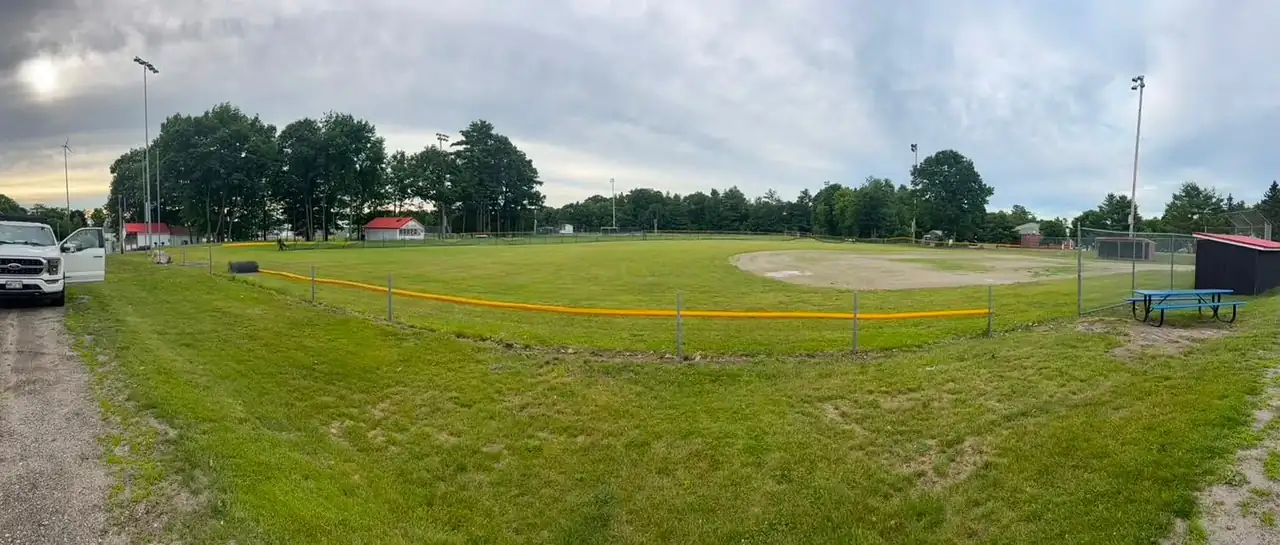
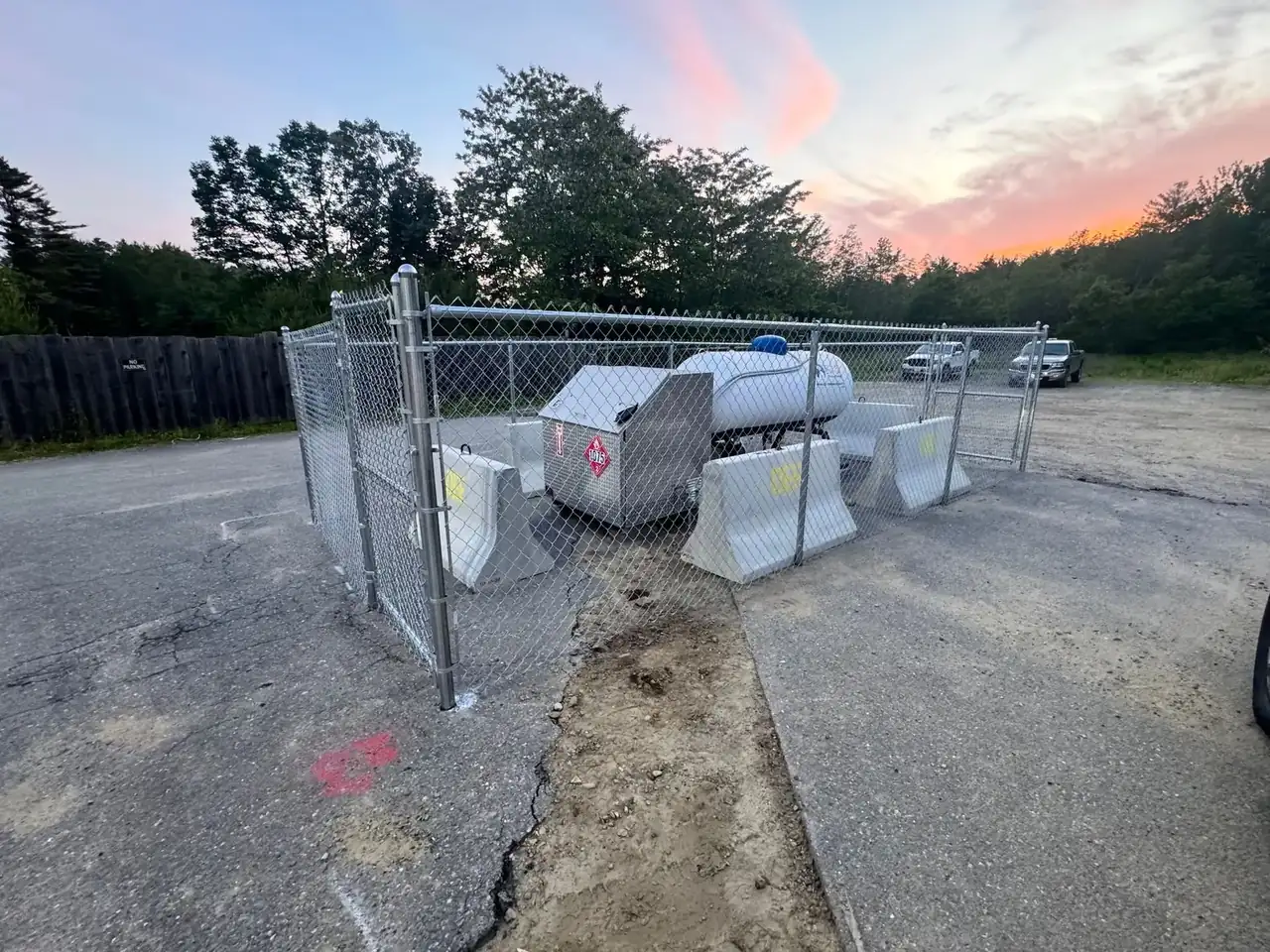
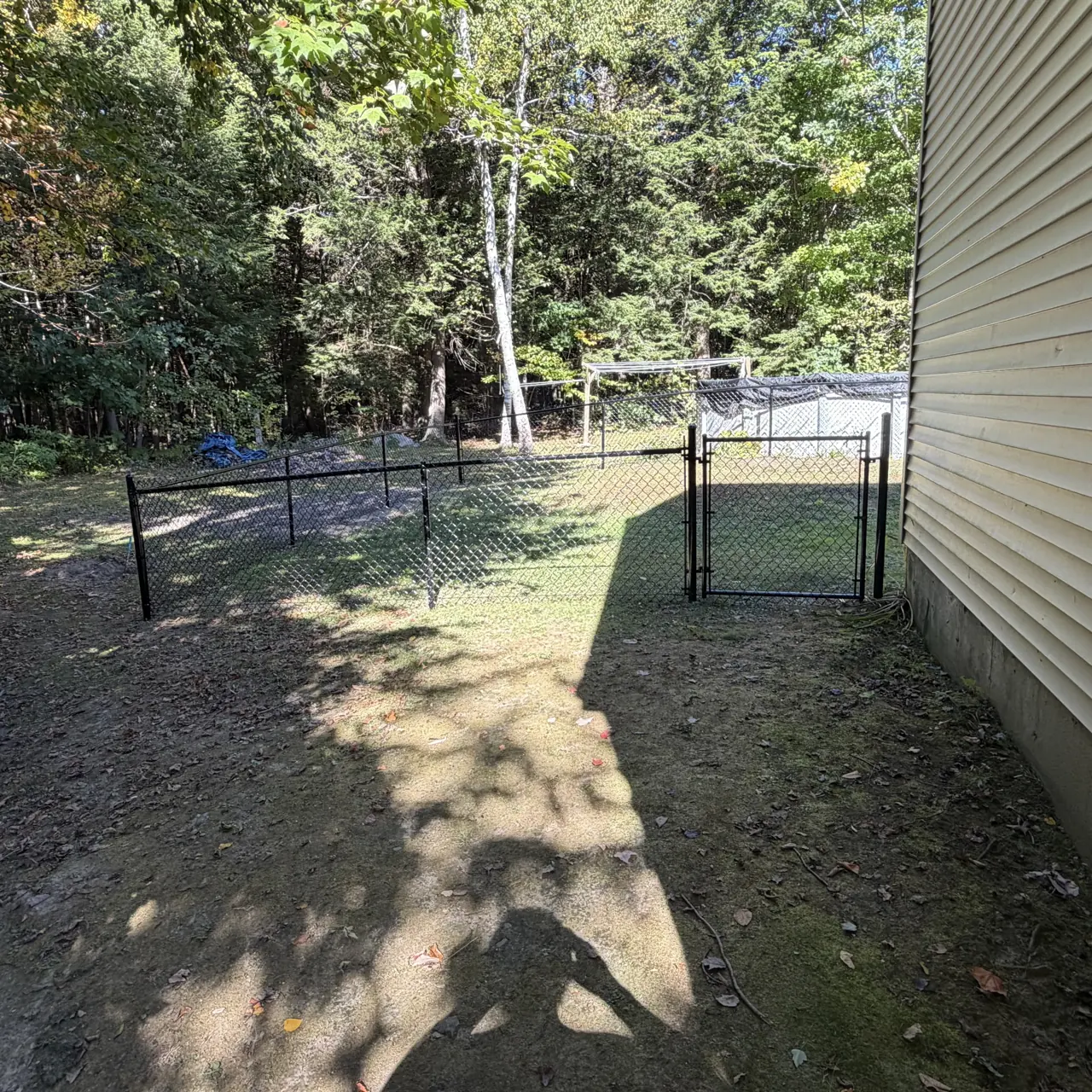
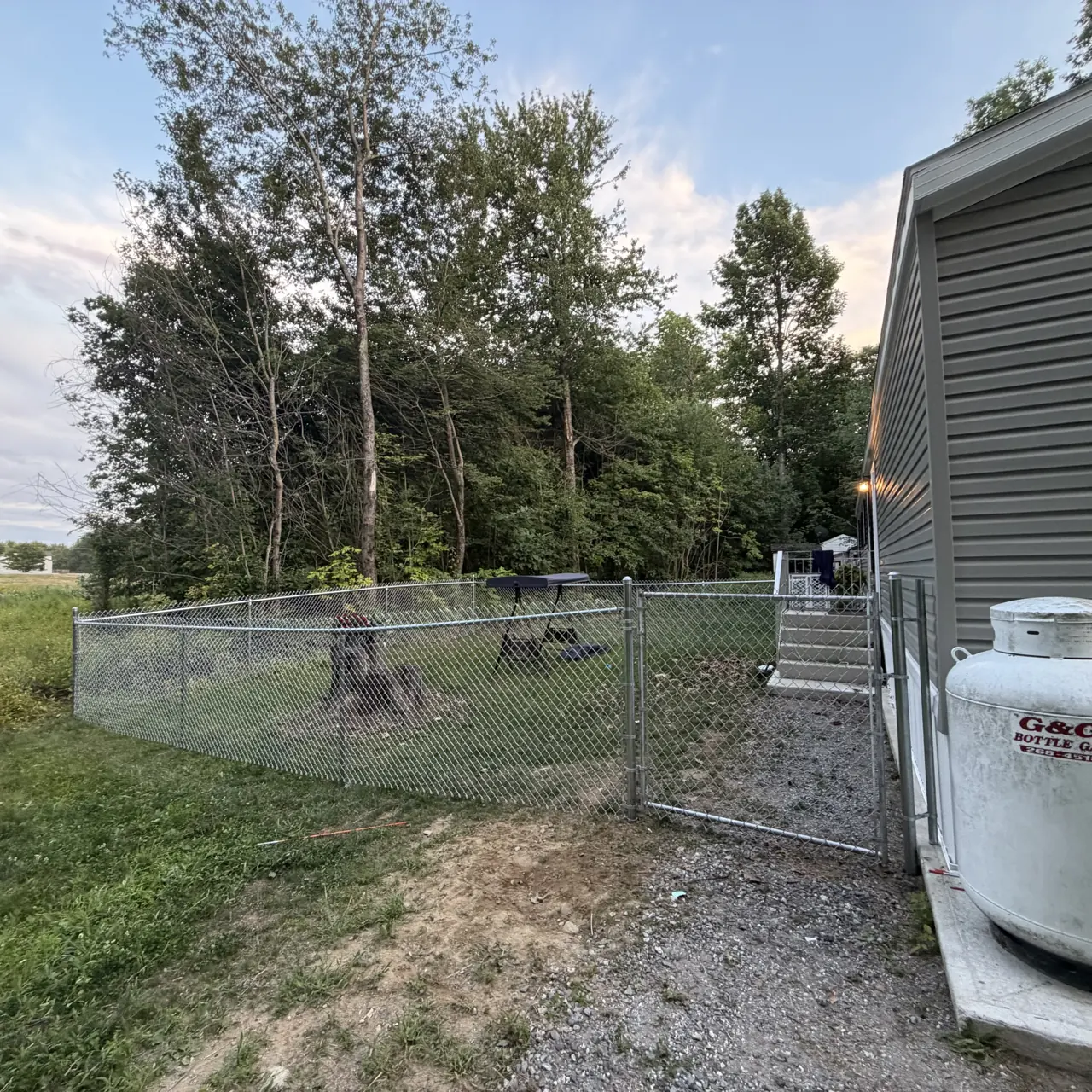
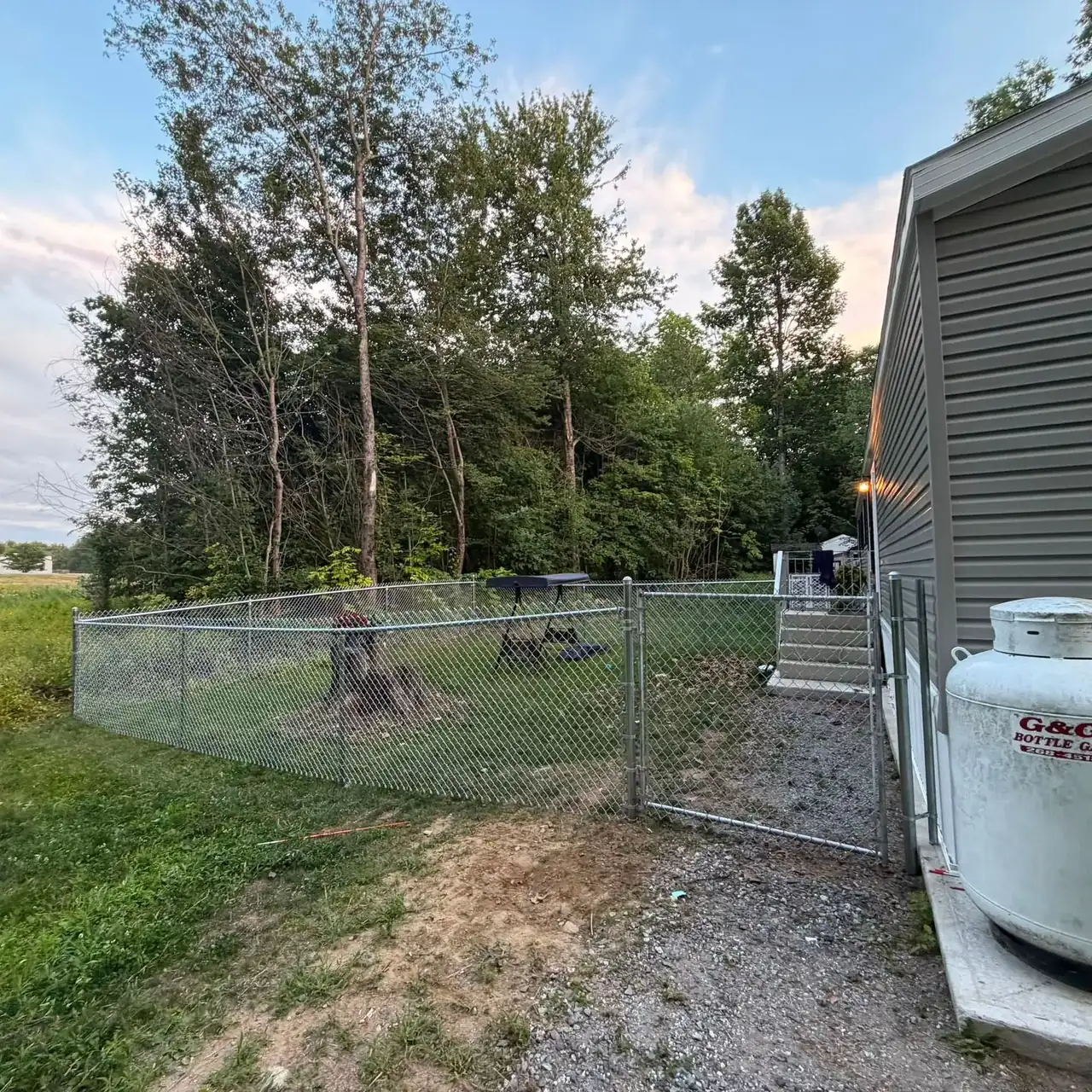
Chain link gate and perimeter fence

What we plan together

Thoughtfully planned. Carefully built.

  1. A useful boundary for busy properties

    Keep a clear view of a yard or business perimeter while creating a defined enclosure. Gate locations and opening sizes can reflect daily access needs.

  2. Built around the terrain

    Posts, tensioning, corners, and transitions work together to keep the fence aligned. We assess the ground and layout before recommending a system.

  3. More than a property line

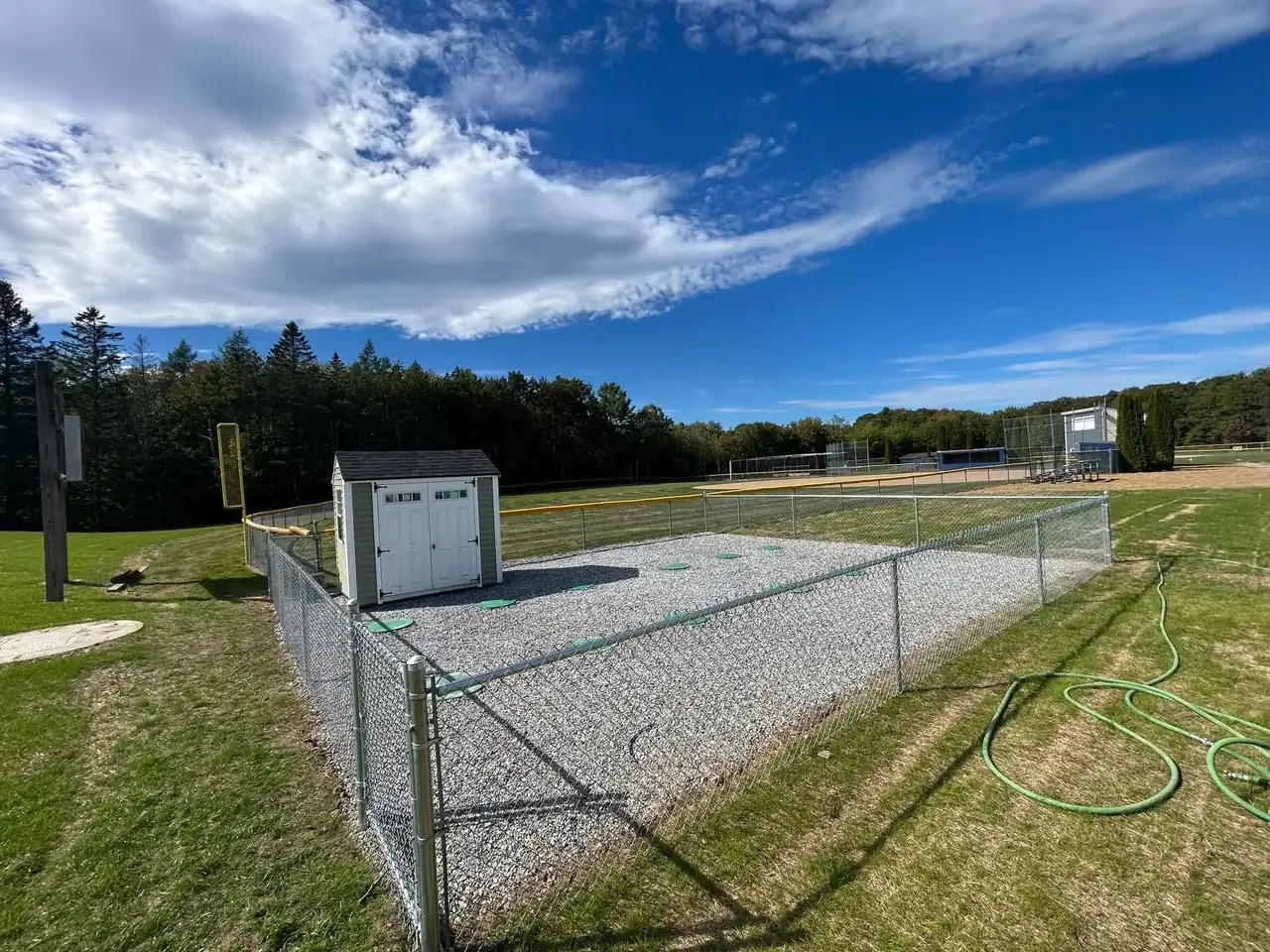
    Chain link can serve dog runs, equipment areas, athletic courts, and commercial perimeters. Terminal posts, bracing, fabric tension, and practical gate locations are planned together.

Functional Enclosures for Larger Properties

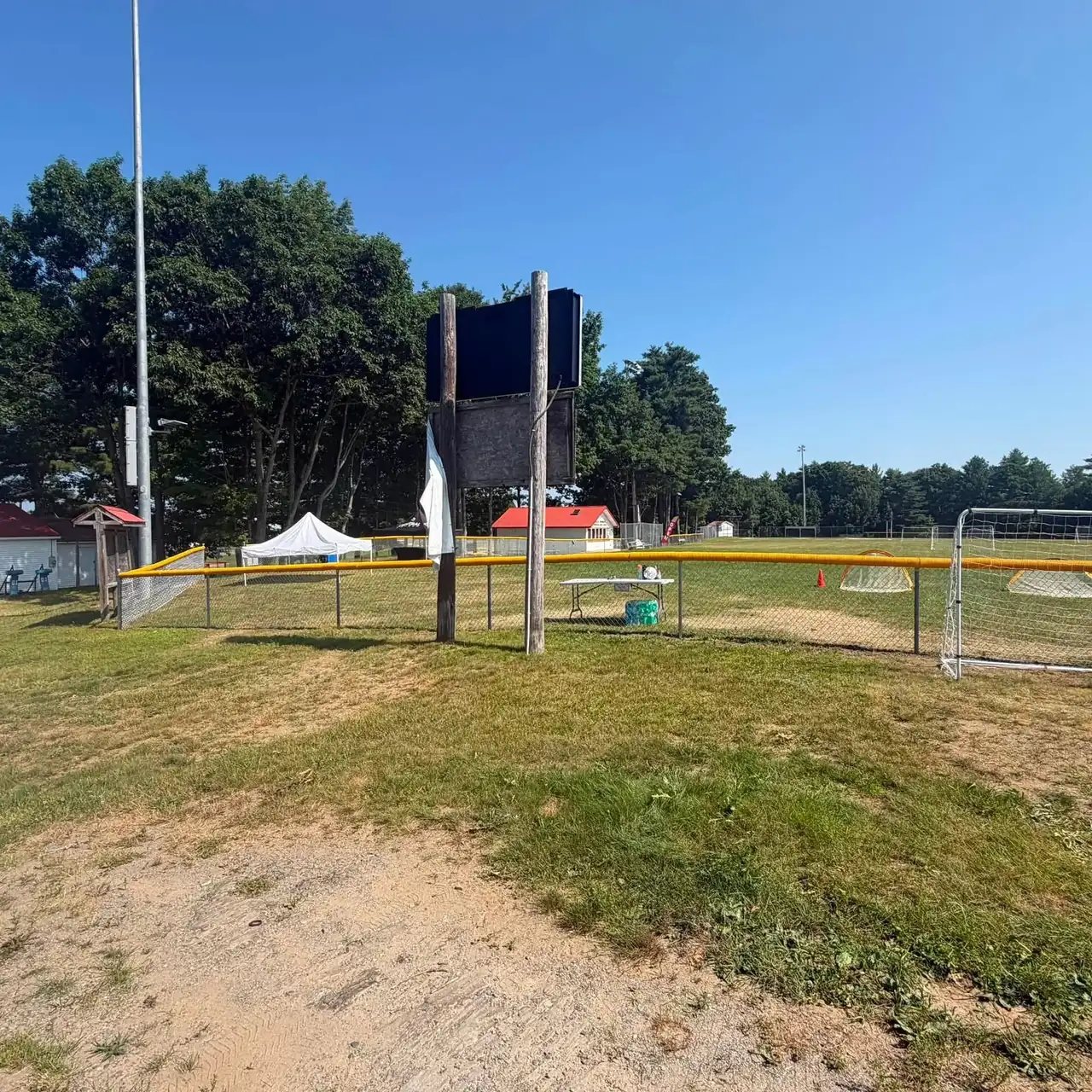
Properties with larger outdoor areas, commercial yards, or open land requiring clear boundaries benefit from chain link fencing that encloses space efficiently without blocking sightlines or requiring the material cost and installation time of solid panel systems. You see this fencing used for dog runs, equipment storage areas, athletic courts, perimeter security, and property lines where visibility and function matter more than decorative appearance. J&M Exteriors installs chain link fencing for residential and commercial customers throughout Warren and Midcoast Maine where practical enclosure and long-term durability outweigh aesthetic considerations.

Installation involves setting terminal and line posts at proper depth to handle frost heave, stretching fabric to maintain tension without sagging, and placing gates where access needs align with property use. Maine soil conditions, particularly clay-heavy or rocky ground common in the region, affect digging and post stability, requiring adjustments to depth and bracing based on what the site reveals during installation.

Request a site-specific chain link estimate to discuss fence height, gate placement, and layout for your property's containment and security needs.

What Chain Link Fencing Actually Accomplishes

Chain link provides a physical barrier that defines boundaries, contains pets or livestock, secures equipment or material storage, and deters casual trespassing while allowing visibility through the fence line. The open mesh allows airflow, reduces snow accumulation compared to solid fencing, and simplifies inspection of enclosed areas without requiring gates at every viewing point.

Once installed, your property has a clearly marked perimeter that remains visible from both sides, secure containment that prevents animals from leaving designated areas, and defined outdoor spaces that separate uses without creating visual barriers. The fence holds its shape through seasonal ground movement, gates swing freely without dragging, and the fabric maintains tension without sagging or pulling away from posts even after repeated snow load and spring thaw cycles.

Chain link fencing suits applications where function and cost-efficiency outweigh privacy or decorative appearance, including utility areas, commercial yards, and rural properties with long boundary lines. The fencing does not provide visual screening or wind blocking, making it less suitable for residential front yards or areas where neighbors expect solid privacy barriers.
What Property Owners Usually Ask

Chain link decisions involve understanding material durability, installation considerations specific to Maine soil and climate, and how the fencing performs in different property applications.

J&M Exteriors evaluates site conditions, terrain challenges, and property layout to provide accurate chain link fencing estimates. Contact us at (207) 242-5108 to schedule a consultation and discuss fence height, fabric specifications, and gate placement for your Warren property.

More questions about chain link fencing
What gauge and coating options are available for chain link fabric?

Lighter gauges use thinner wire suitable for residential containment, while heavier gauges provide added durability for commercial security or high-traffic areas, with galvanized or vinyl-coated finishes offering different levels of rust resistance in Maine's humid coastal climate.

How does frost heave affect chain link post stability in Warren?

Posts set too shallow or without adequate gravel base can shift during freeze-thaw cycles, causing fabric to lose tension and gates to misalign, making proper depth and drainage critical in clay or moisture-prone soil common throughout Midcoast properties.

When should I choose chain link over wood or vinyl fencing?

Chain link works best when visibility, airflow, cost-efficiency, and long-span enclosure matter more than privacy or decorative appearance, such as for dog runs, equipment yards, athletic courts, or rural property boundaries where screening is not a priority.

What maintenance does chain link require over time?

Periodic inspection for loose fabric, tightening tension wire if sagging occurs, and checking gate hinges and latches for smooth operation after winter ground shifts or heavy snow load, with galvanized fabric requiring minimal attention beyond clearing vegetation from the fence line.

How do I determine the right fence height for my needs?

Residential dog containment typically uses four-foot height, while security and commercial applications often require six feet or taller to deter climbing, with the right choice depending on what you're containing or excluding and any local requirements that apply to your property use.

From our project gallery

View the full gallery
CallPlan your free estimate