Defined Barriers Around Residential Pool Areas
Residential pool installations require defined barriers that prevent unsupervised access while allowing visibility into the pool area and providing convenient entry for household members and guests. Pool fencing creates that physical boundary through proper gate placement, fence height, and layout that accounts for the pool setting, surrounding deck or patio areas, and property features that affect how the enclosure functions. J&M Exteriors installs pool fencing for residential customers throughout Warren and Midcoast Maine where creating a secure perimeter around water features involves balancing access control, sightlines, and appearance. Verify current local codes with your municipality, as requirements for pool barriers vary by jurisdiction and change over time.
Installation involves setting posts around the pool perimeter at distances that support chosen fence material, positioning gates where household traffic naturally enters the pool area, and ensuring the barrier extends fully around the water feature without gaps. Gate hardware must operate reliably and latch securely, particularly when self-closing or self-latching mechanisms are involved.
Arrange an on-site evaluation to discuss pool fencing material options, layout considerations, and gate placement for your specific pool area and property conditions.
What Changes After Pool Barrier Installation
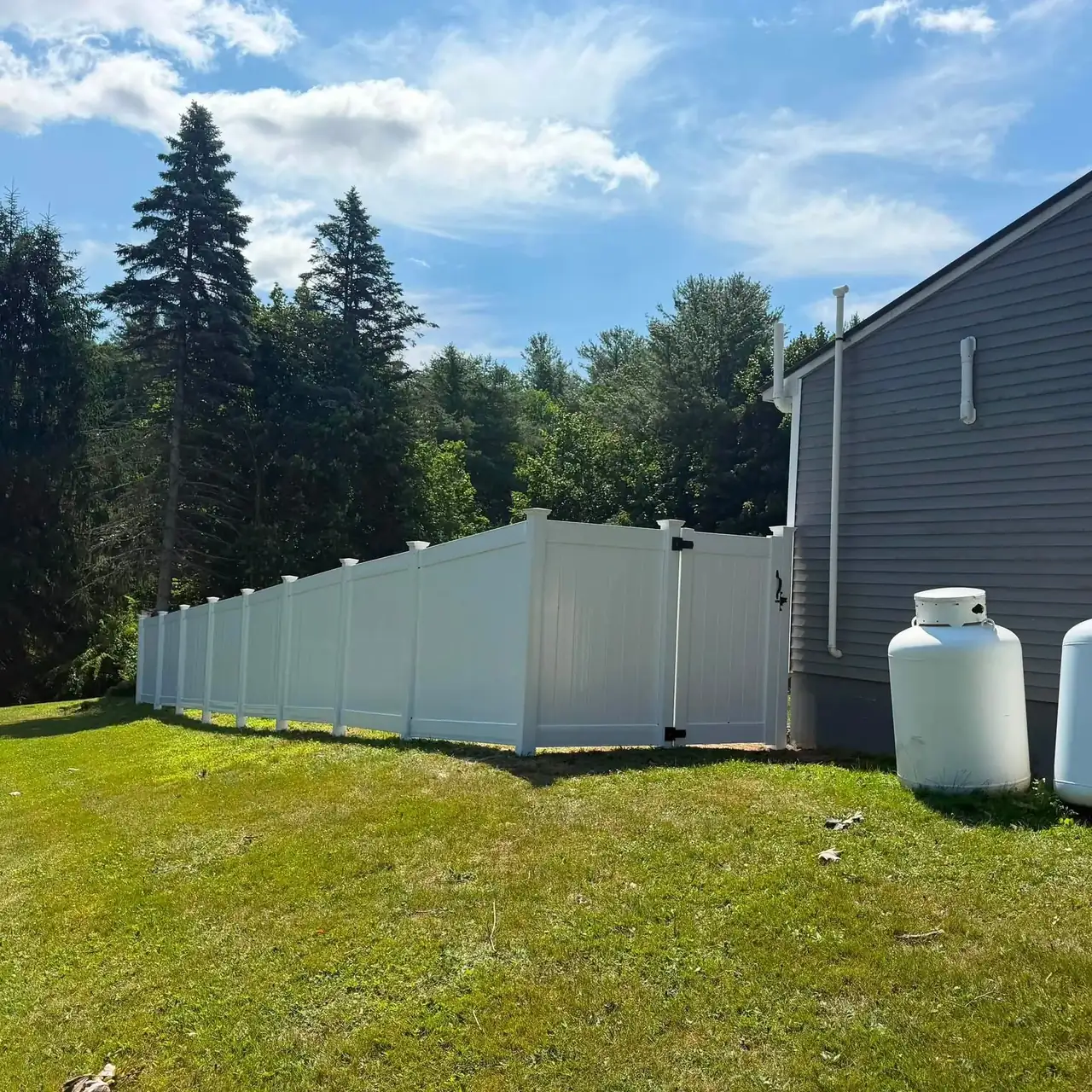
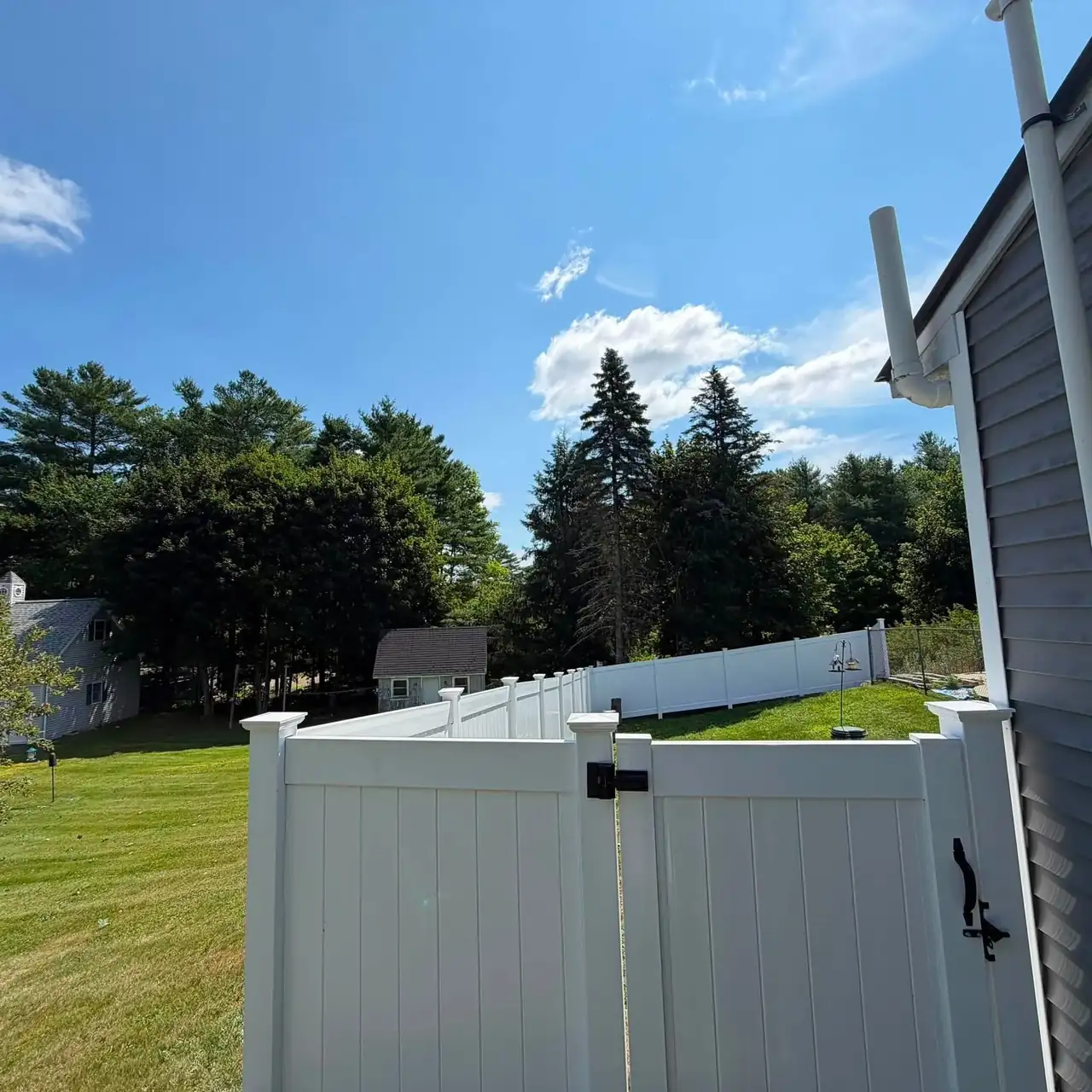
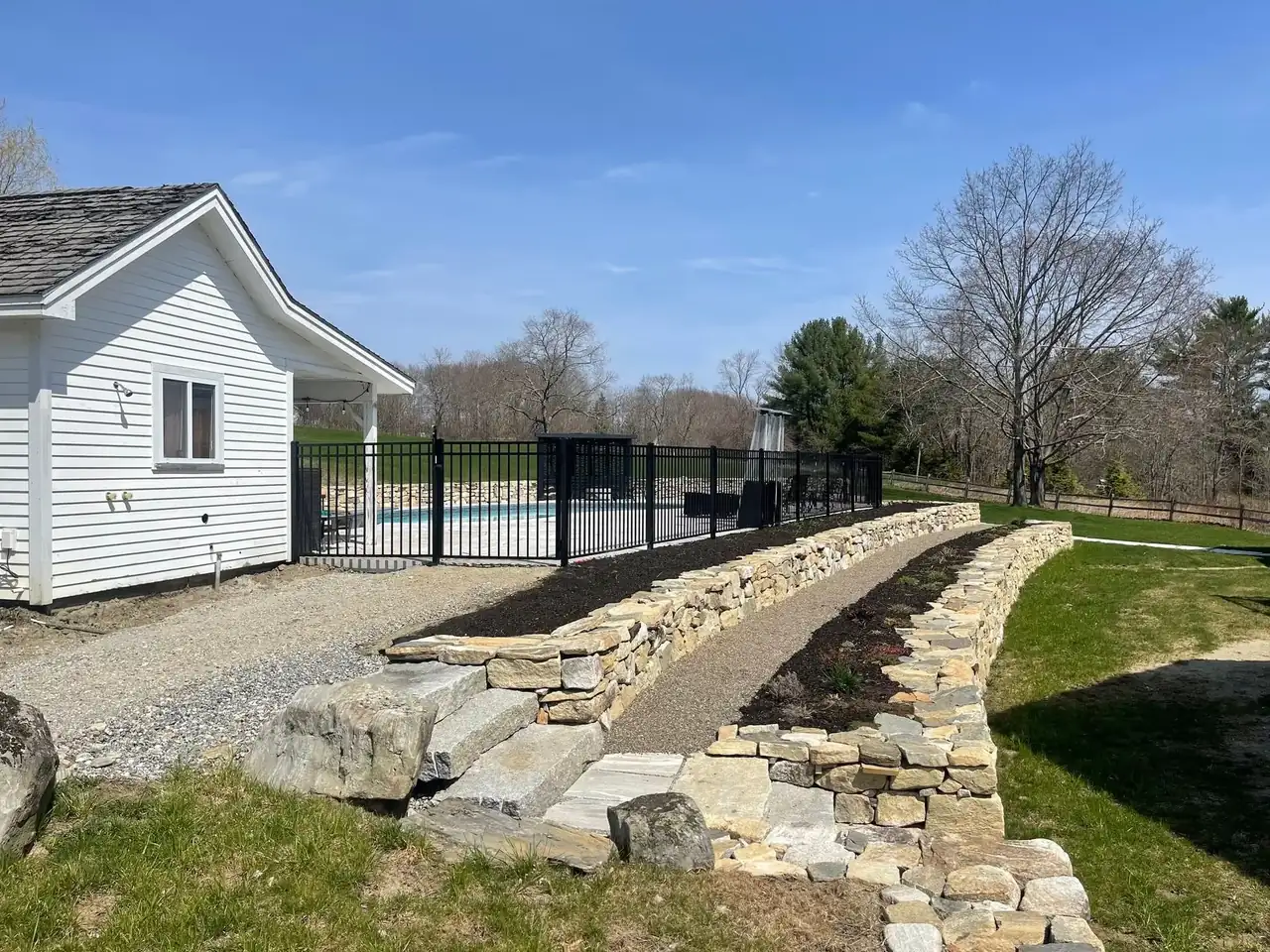
Pool fencing installation involves measuring the pool perimeter and surrounding deck, selecting material that meets your visibility and maintenance preferences, and positioning gates where you enter the area most frequently while maintaining a continuous barrier. Metal, vinyl, and mesh options offer different balances of visibility, durability, and appearance, with the right choice depending on whether you prioritize seeing into the pool area, minimizing maintenance, or matching existing property aesthetics.
Once the fence is complete, the pool area has a defined boundary that prevents casual entry, gates that control access and can be secured when the pool is not in use, and a barrier that maintains visibility so you can monitor the water feature from outside the enclosure. The fencing creates a clear perimeter without obstructing views of the pool, integrates with surrounding deck or patio layout, and provides hardware that operates smoothly through repeated daily use during swimming season.
Pool fencing requirements, including height, gate specifications, and latch mechanisms, are governed by state and local codes that property owners should verify independently with their municipality before finalizing design decisions. J&M Exteriors focuses on installation quality and layout functionality, directing customers to confirm applicable regulations rather than making compliance claims that may not reflect current or location-specific requirements.