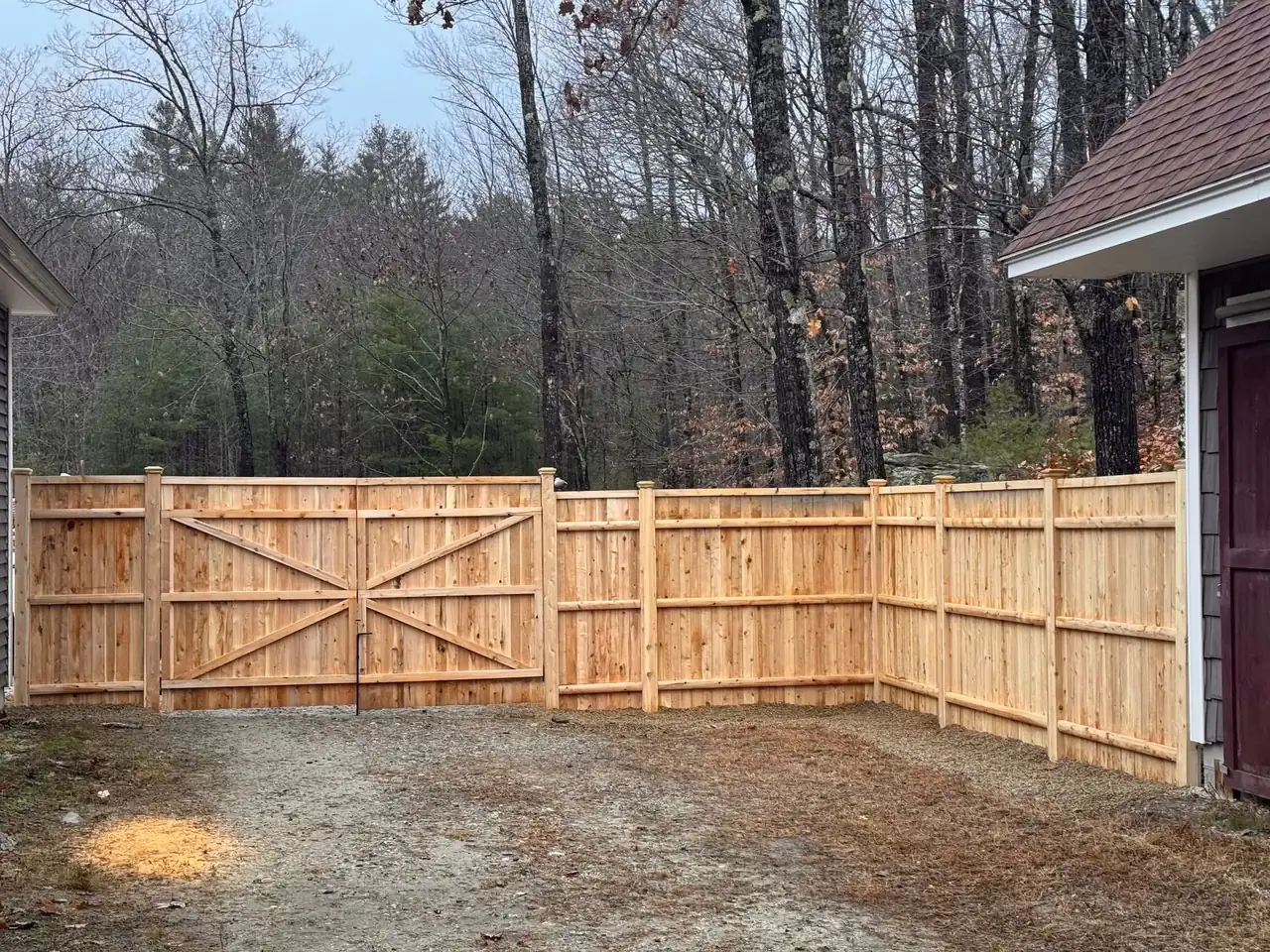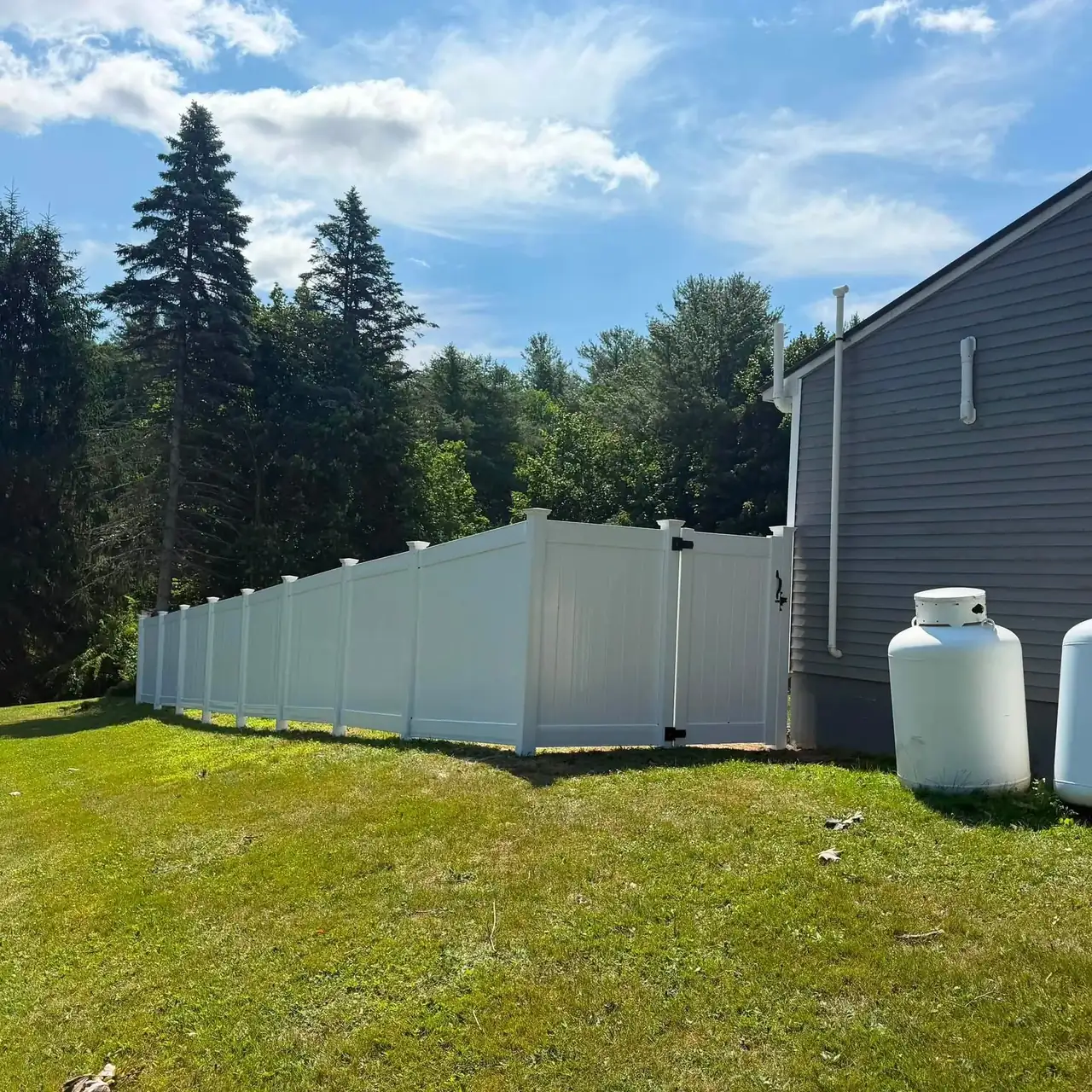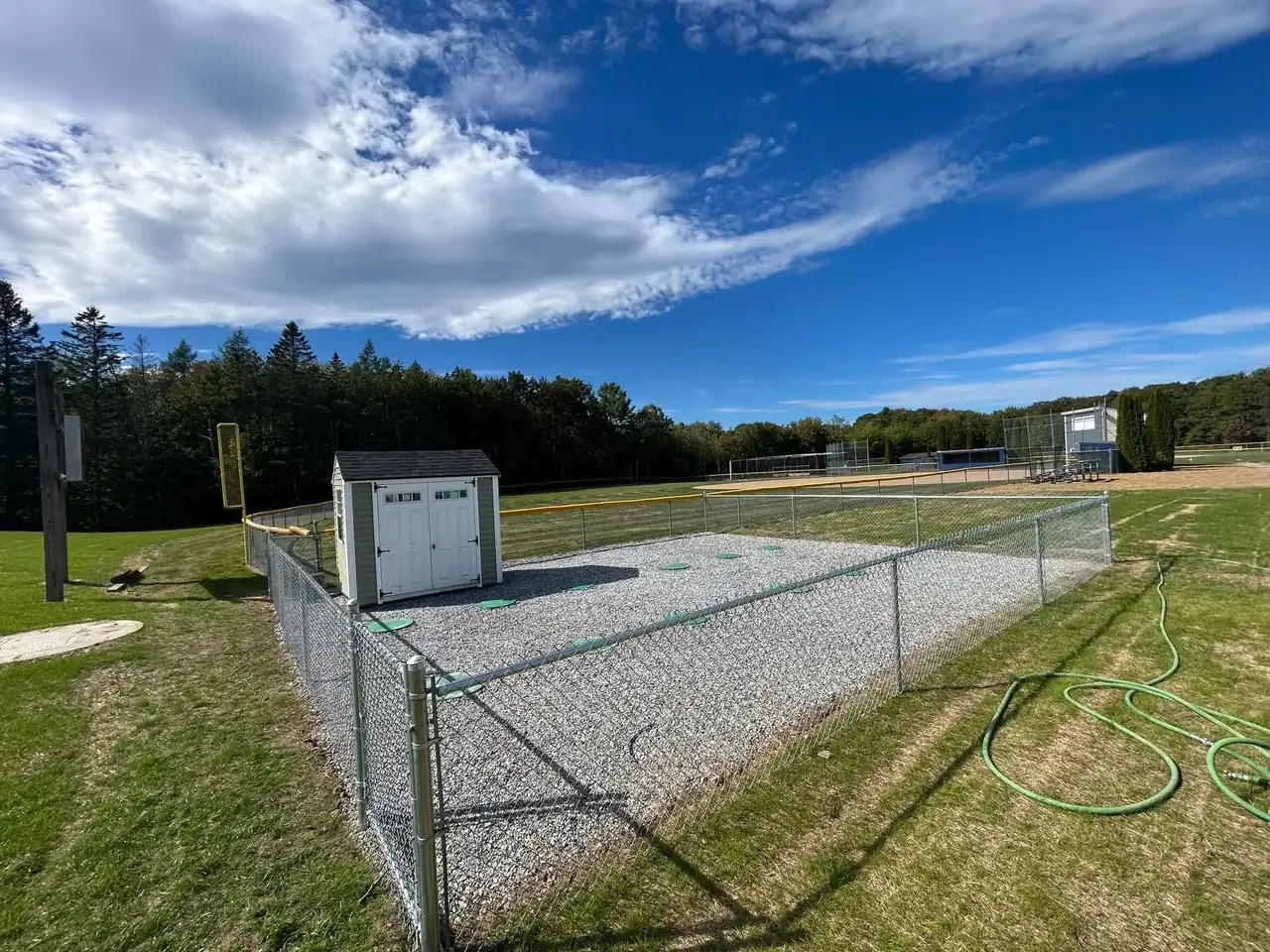
Controlled Entry Without Manual Operation
Driveways and property entrances that rely on manual gates require someone to physically open and close the gate each time access is needed, which becomes impractical in daily use or during Maine winters when snow and ice accumulate. Automated gate systems combine a physical gate structure with powered operation, allowing entry control without leaving a vehicle or walking to the gate in adverse weather. J&M Exteriors installs automated gate systems for residential and commercial properties in Warren, where long driveways, multi-property access, or security considerations make manual operation inconvenient or insufficient.
These systems involve selecting a gate design appropriate to the opening width, installing an operator mechanism matched to the gate's weight and usage frequency, and integrating controls that allow authorized users to trigger the gate remotely. Site layout, power availability, driveway slope, and seasonal snow accumulation all affect how the system is configured and where components are located.
Request a site evaluation to discuss gate dimensions, operator requirements, and control options for your automated entry project.
How Automated Gates Address Property Access
Installation starts with gate fabrication or selection based on the opening width, whether the gate will swing or slide, and how much clearance exists on either side of the driveway. Operators are mounted to handle the gate's weight and movement pattern, with electrical connections routed to a power source that may require trenching or conduit installation depending on distance from existing service. Control systems are positioned where users can activate the gate from inside a vehicle or building, and safety features prevent the gate from closing on obstructions.
Once operational, the system allows property access without manual effort, maintains security by controlling who can trigger the gate, and functions reliably through seasonal temperature swings and precipitation. Gate operators include mechanisms to prevent damage if the gate encounters resistance, and backup systems can be integrated to allow manual operation during power outages.
Planning also includes considerations such as where vehicles will wait while the gate opens, whether the gate swing path interferes with snow removal or landscaping, and how drainage patterns affect the area where the gate operator and tracks are installed. Proper system design accounts for Maine's freeze-thaw cycles, which can shift gate posts or affect underground wiring if not addressed during installation.