Fencing

Wood fencing in Midcoast Maine

Natural character. A fence made for you.

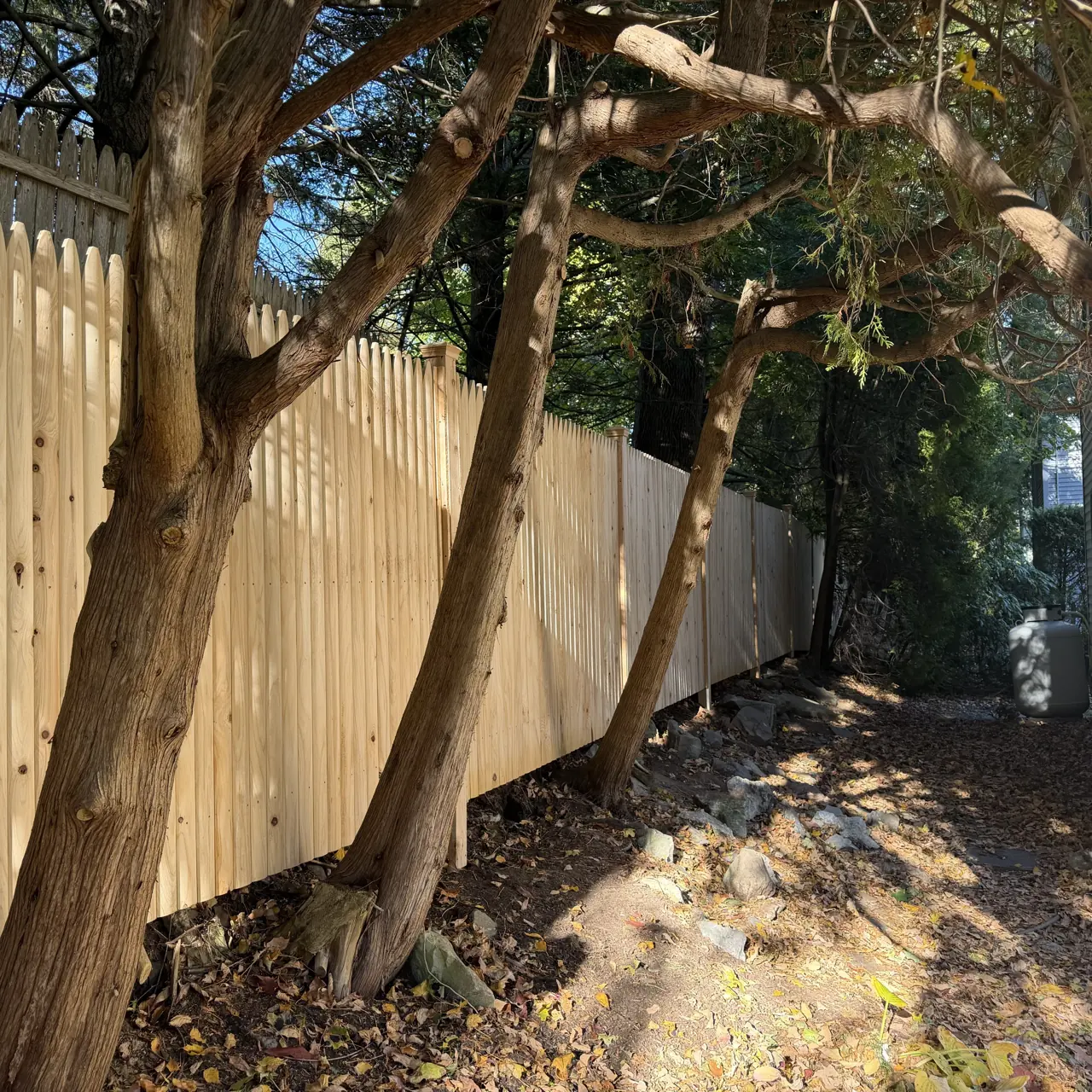
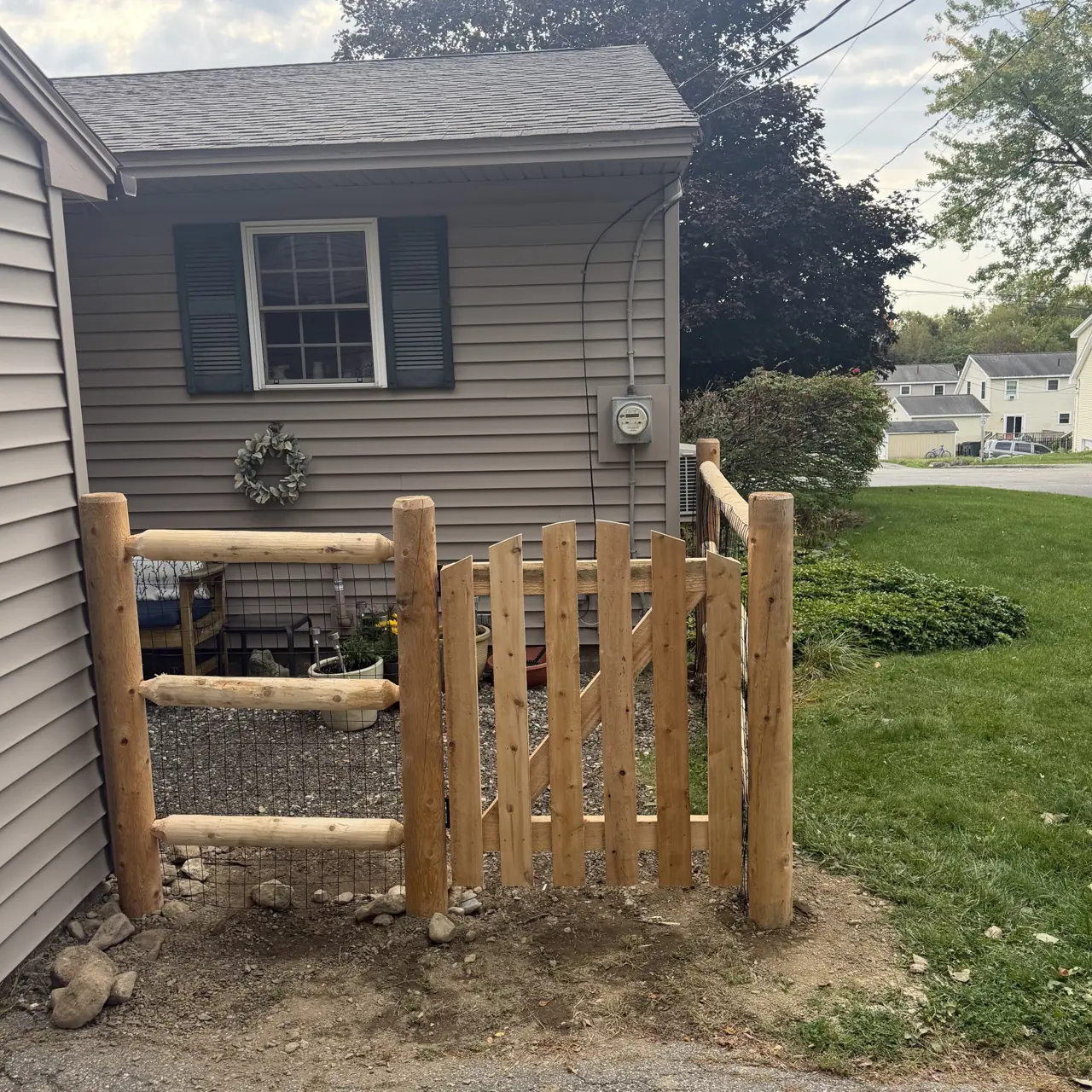
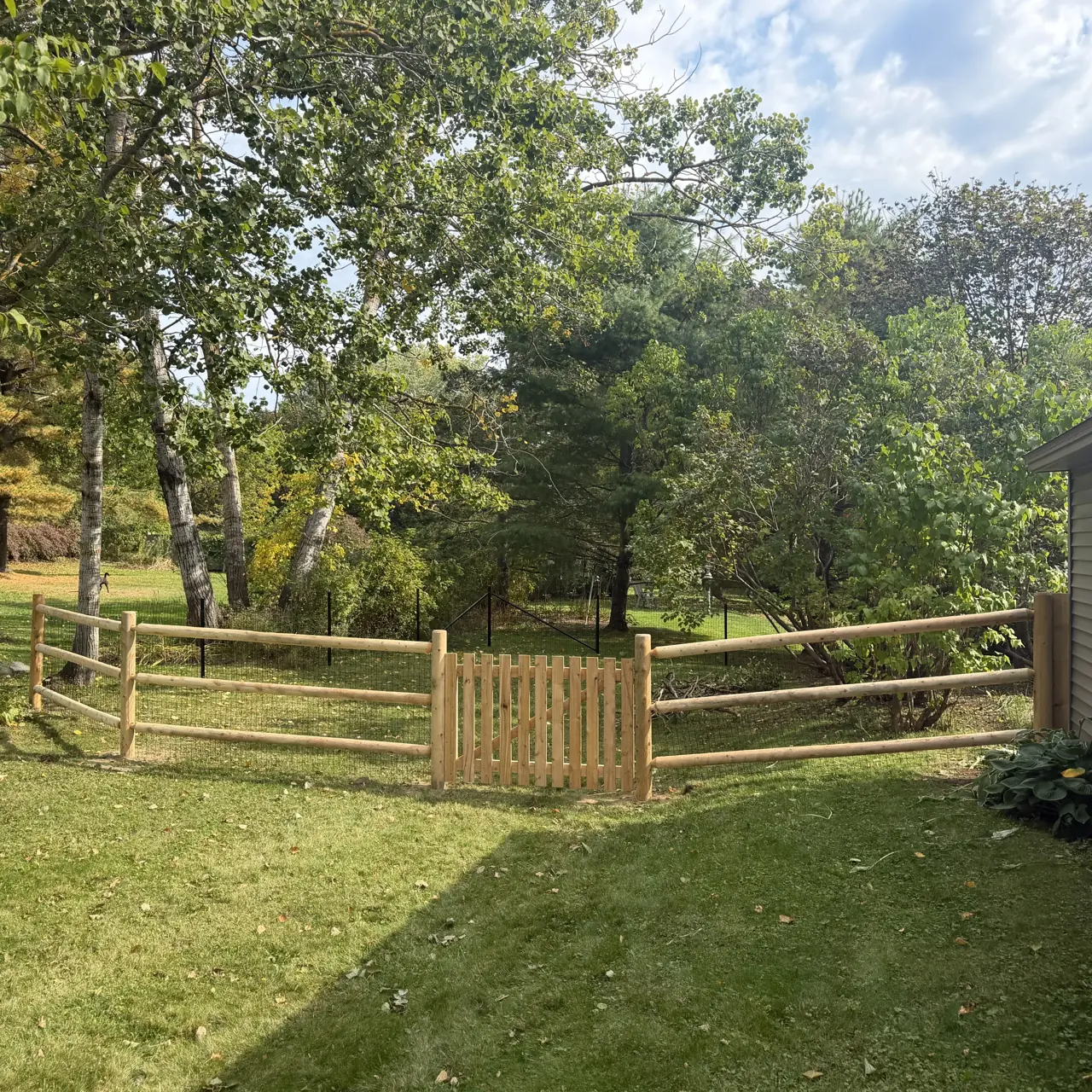
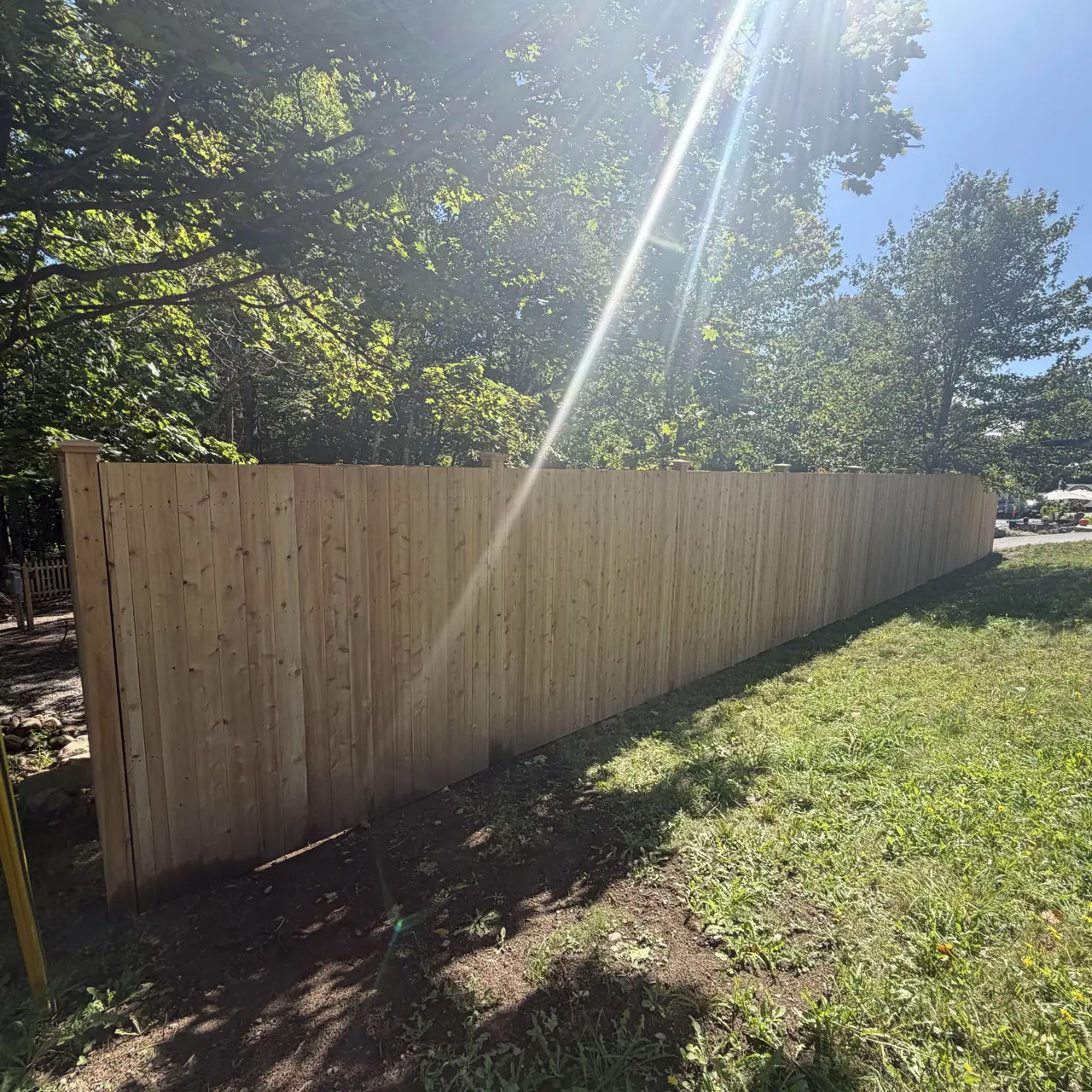
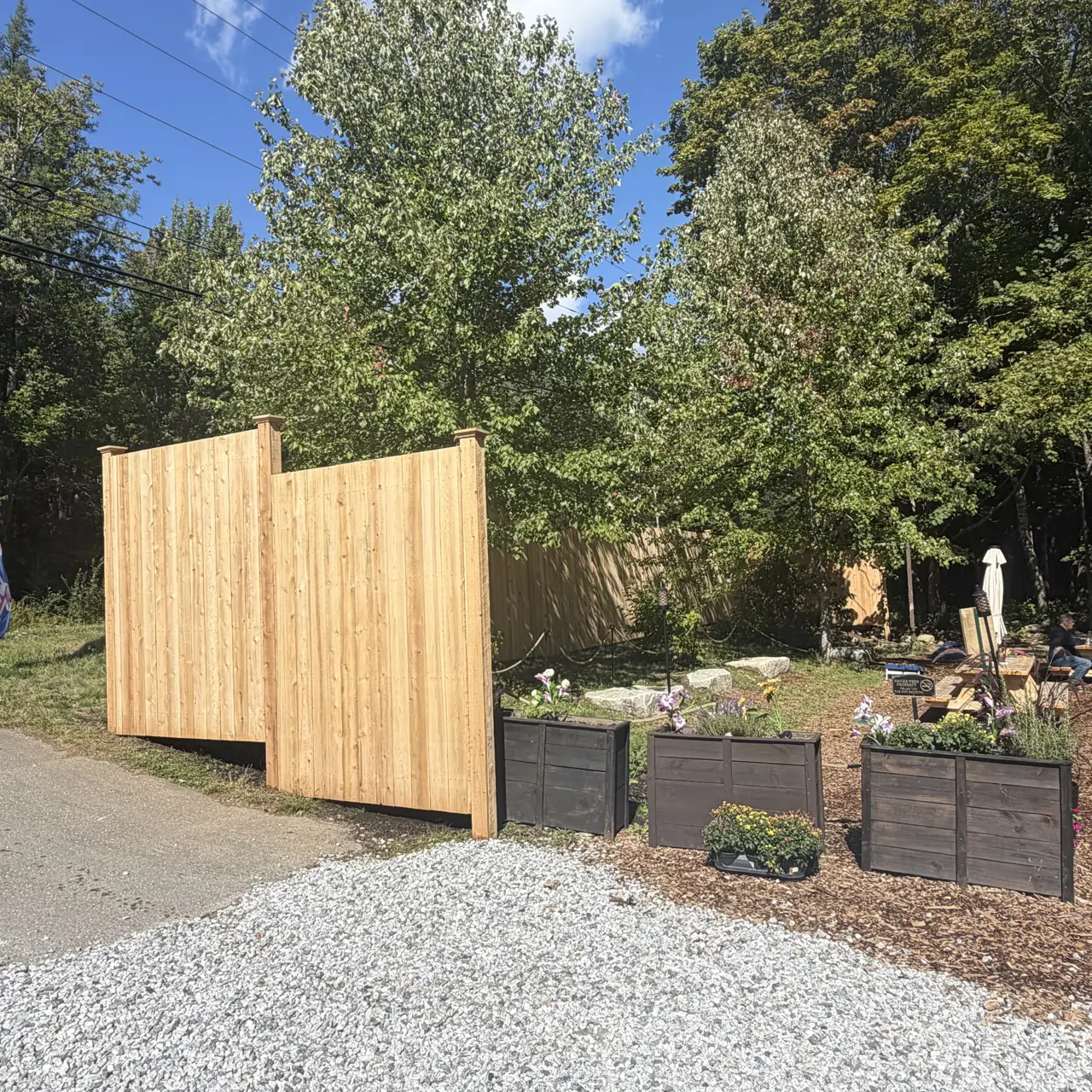
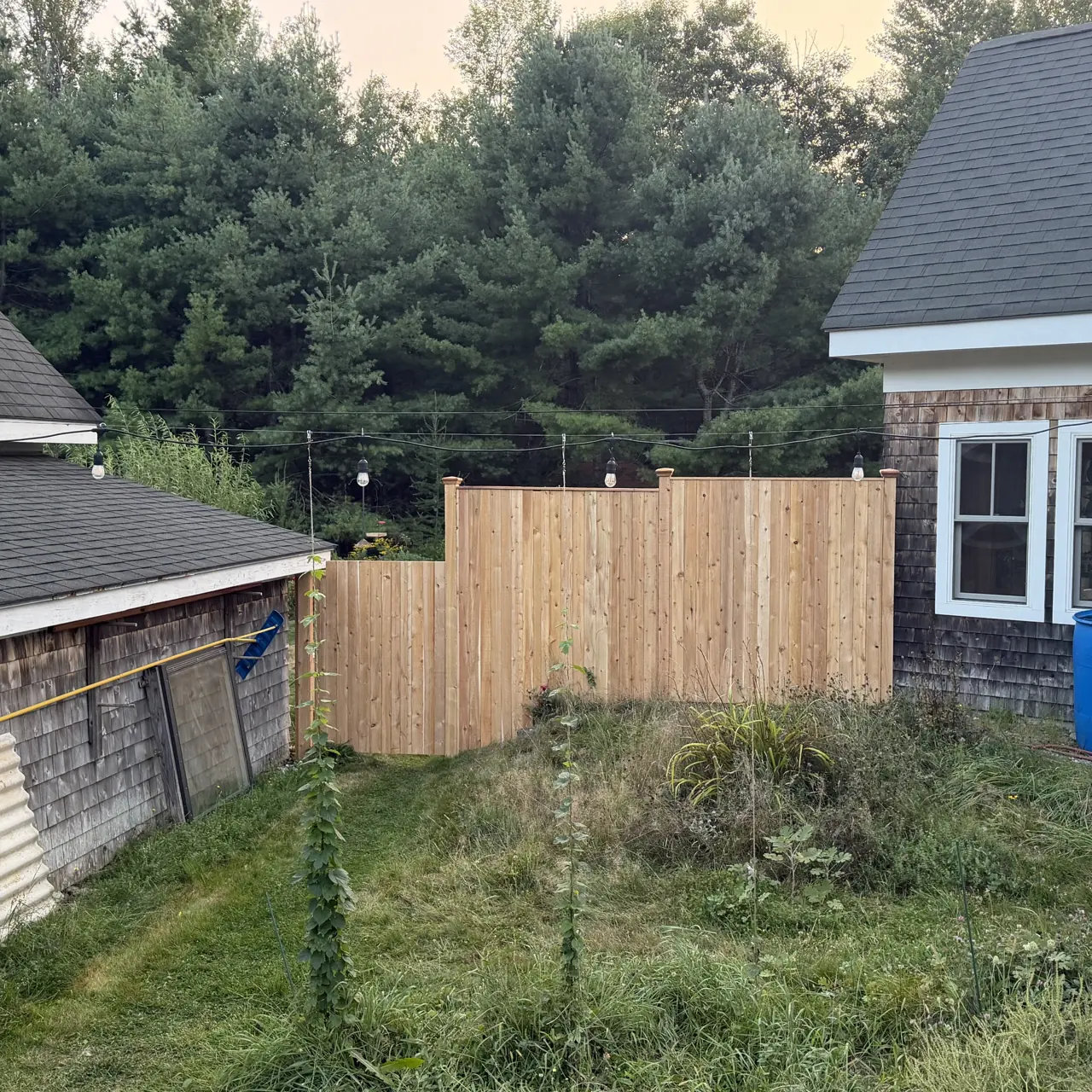
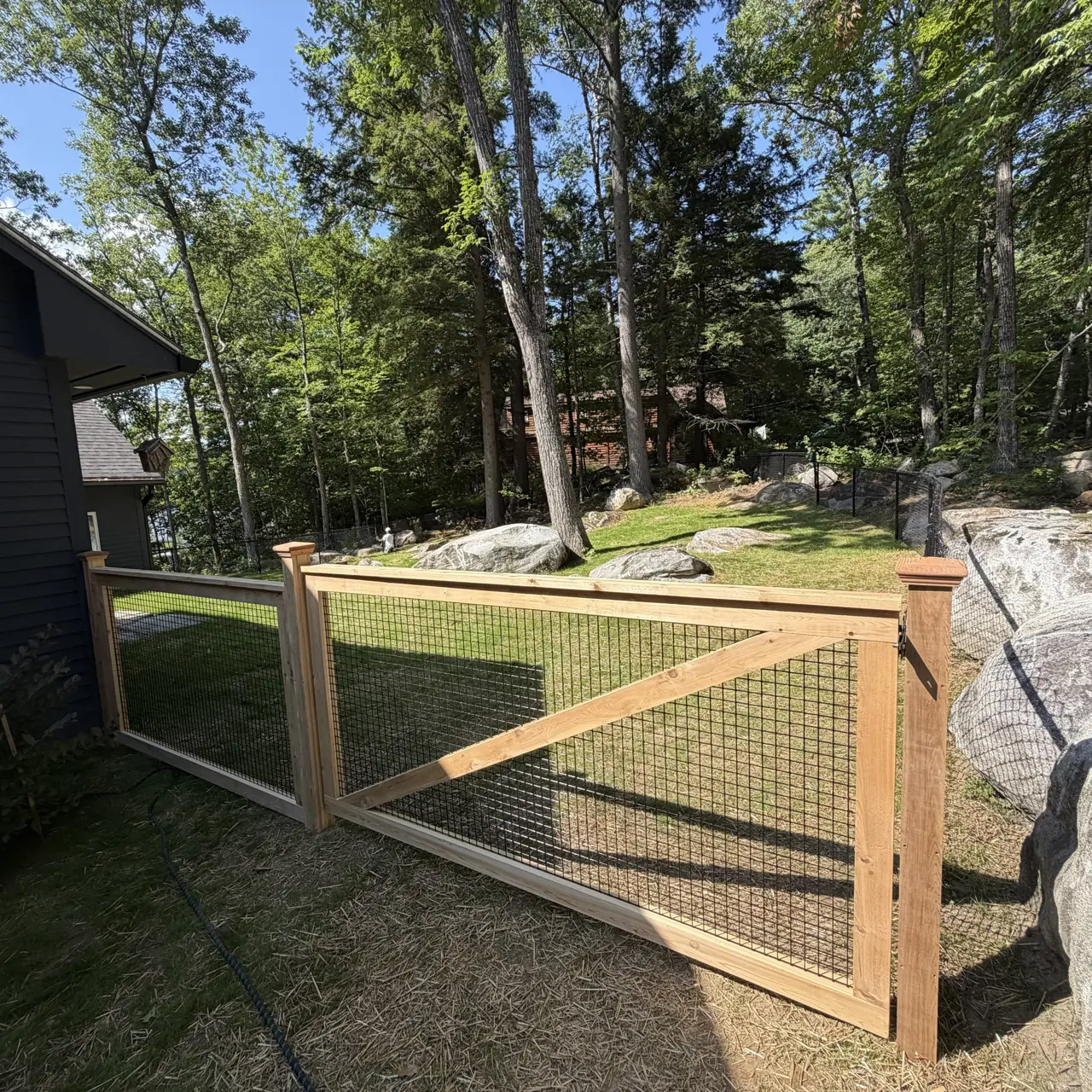
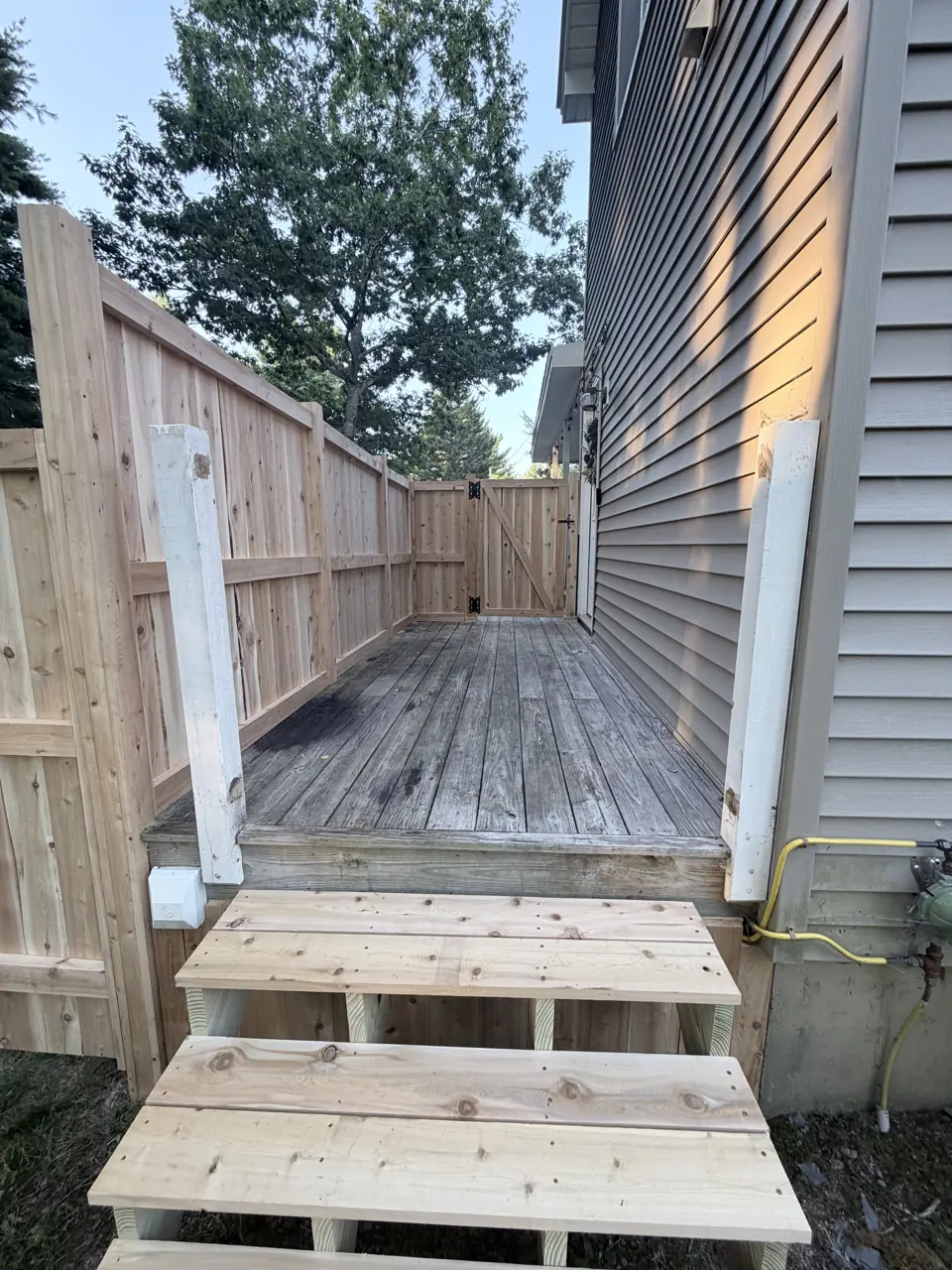
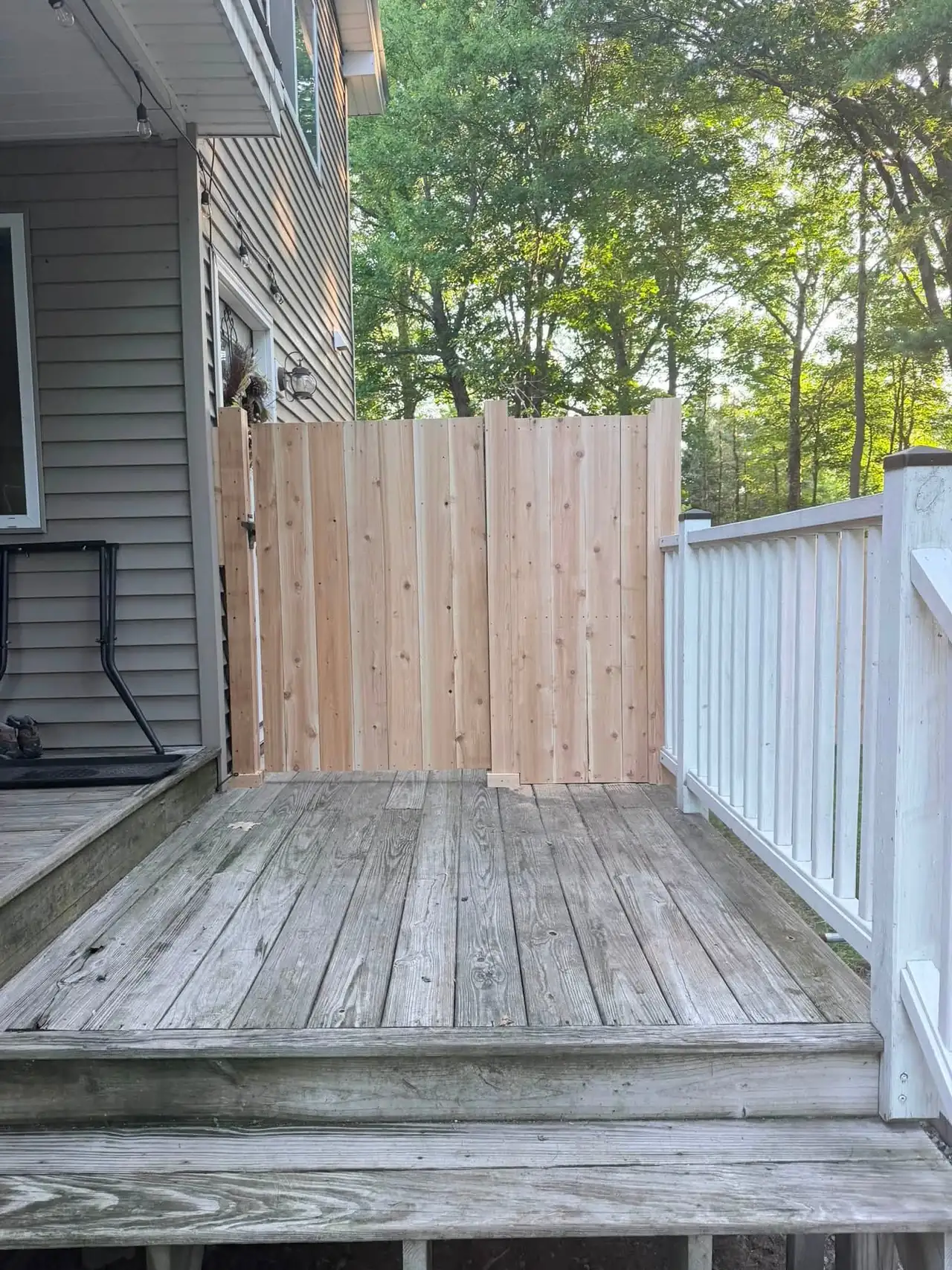
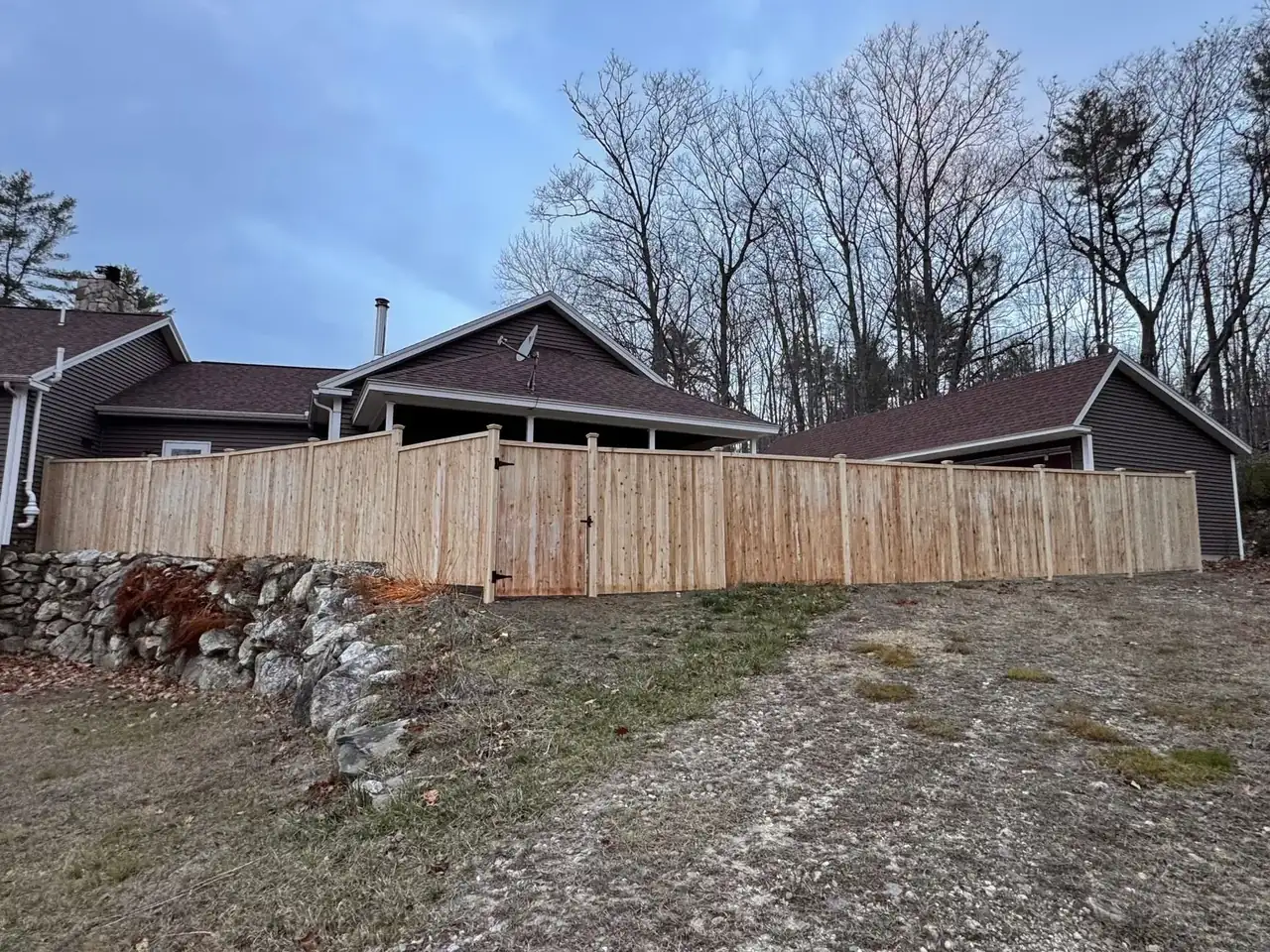
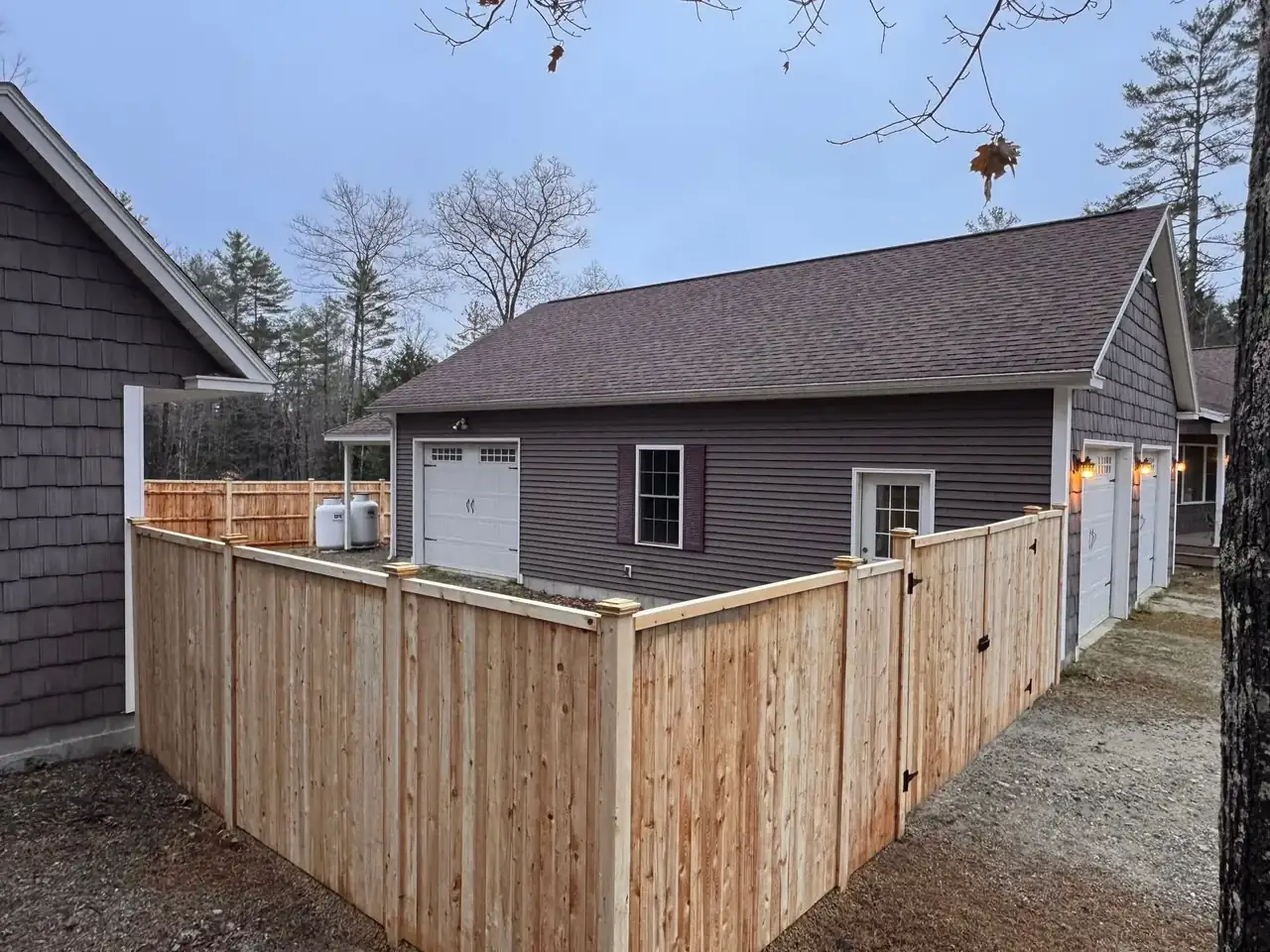
A wood fence brings warmth to a yard while defining the space around it. We plan the board style, spacing, height, and gates around how you want to use your property.

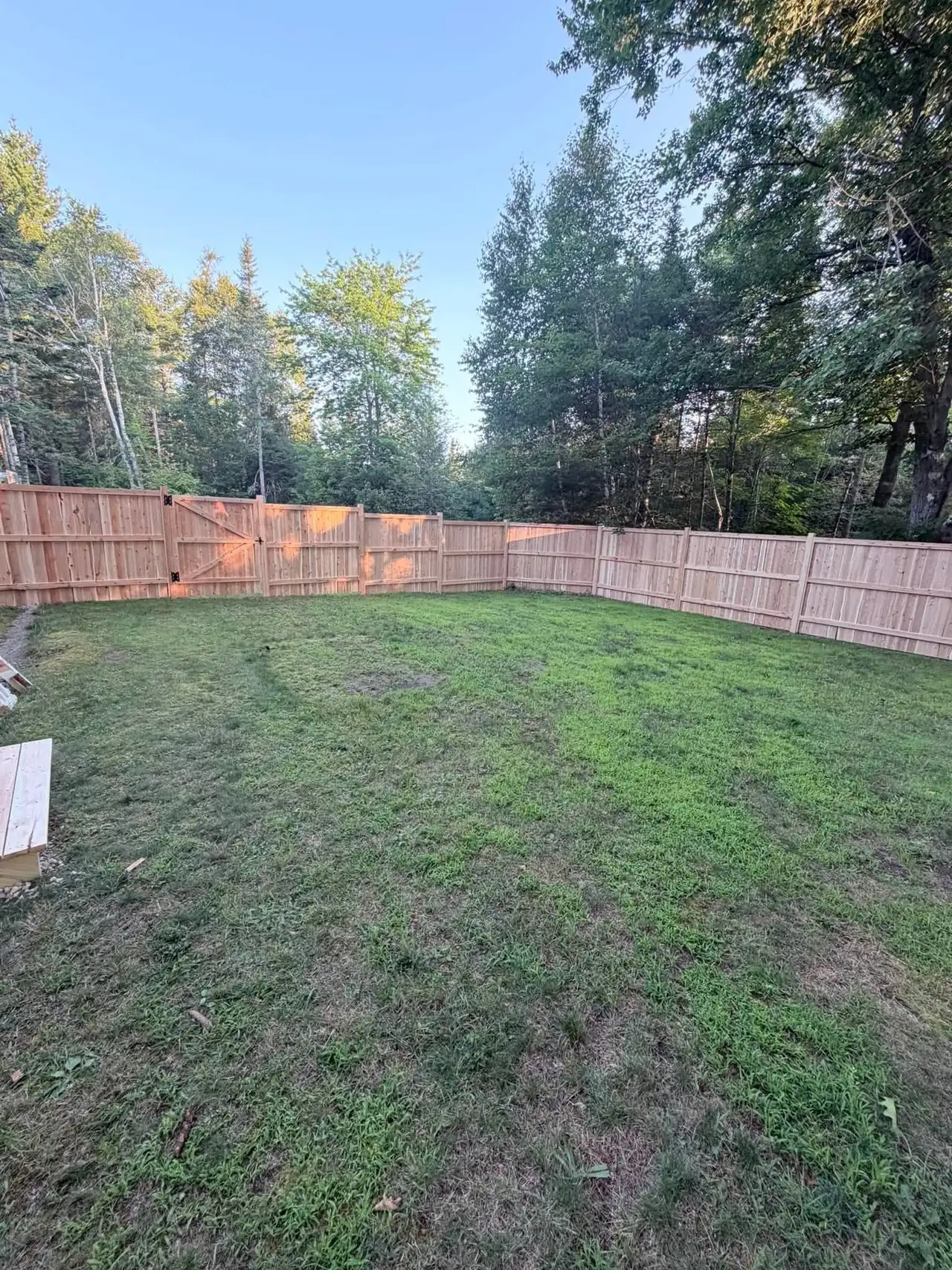
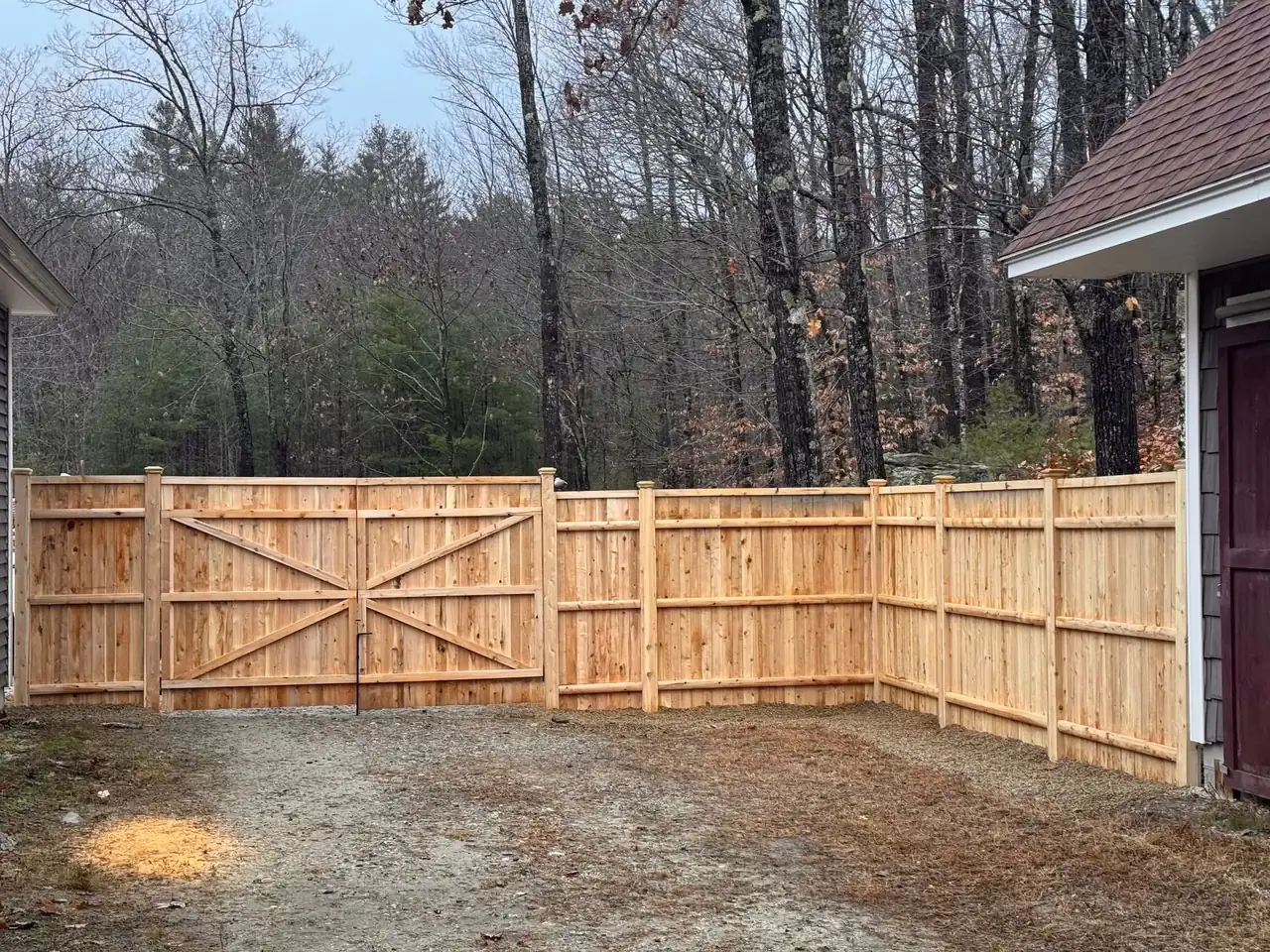
Wood double gate and privacy fence

What we plan together

Thoughtfully planned. Carefully built.

  1. Make room for your everyday life

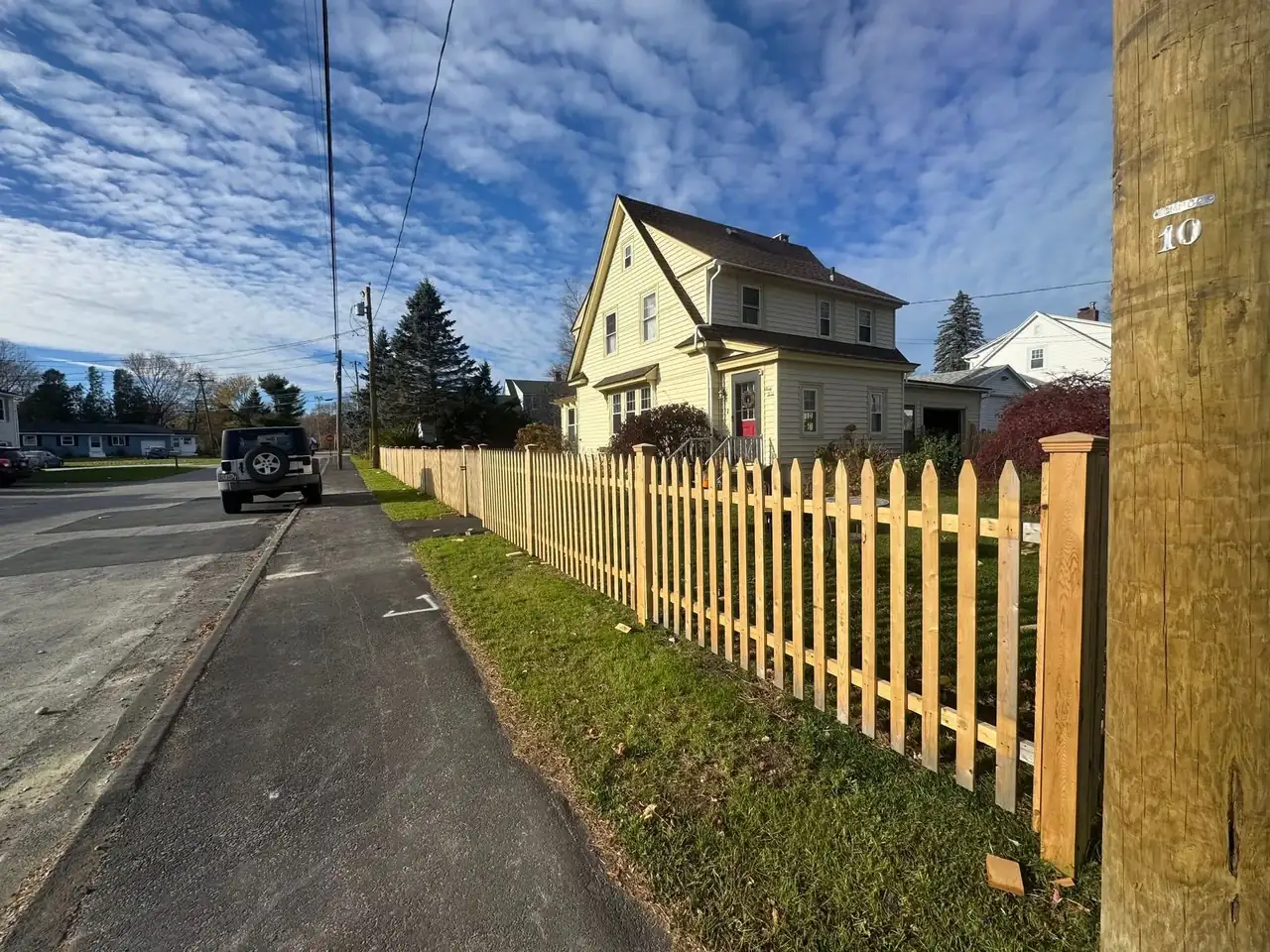
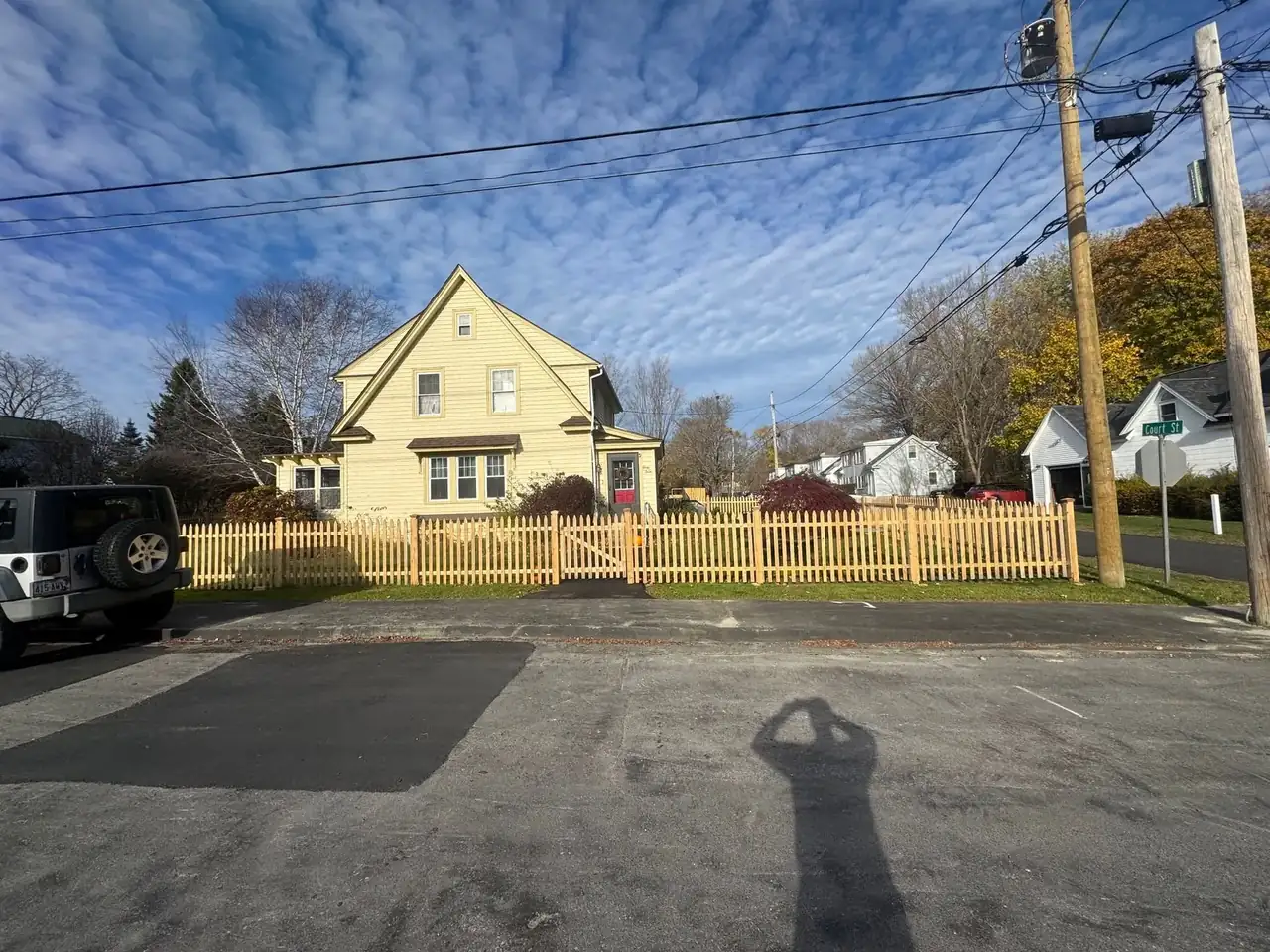
    Create a private backyard, a practical pet enclosure, or a welcoming boundary. Open-board styles keep sightlines and airflow; closer board spacing creates a more secluded space.

  2. Start with the ground beneath it

    Soil, drainage, grade, and seasonal ground movement all shape the installation. Cedar and pressure-treated options offer different appearances, care requirements, and budgets.

  3. Locally sourced Eastern White Cedar

    J&M Exteriors uses locally sourced Eastern White Cedar and offers other wood options to suit the application. We can compare appearance, treatment, and upkeep with the way you plan to use the fence.

Boundaries That Hold Up to Coastal Weather

J&M Exteriors installs wood fencing for residential and commercial properties across Warren and surrounding Midcoast Maine locations where seasonal temperature swings, moisture exposure, and snow accumulation demand thoughtful material selection and drainage planning. J&M Exteriors proudly uses locally sourced Eastern White Cedar, providing a look and smell that is second to none. J&M also provides multiple wood options for every application.

Schedule a consultation to review fence placement, topography, and layout options for your specific site conditions.

What Proper Wood Fence Installation Requires

Installation begins with post placement that accounts for frost depth and drainage flow, particularly in areas where spring thaw creates standing water or where snowmelt collects near fence lines. Posts must be set deep enough to remain stable through freeze-thaw cycles, and the layout should allow water to move away from the fence base rather than pooling against wood surfaces exposed to seasonal moisture.

Once the fence is complete, you notice defined property lines that remain straight and stable through seasonal ground shifts, secure enclosures for pets or livestock that withstand snow load, and privacy screening that blocks sightlines without sagging or leaning. The fence serves its functional purpose while matching the visual character of the property, whether that means a clean boundary line, decorative accent, or full perimeter enclosure.

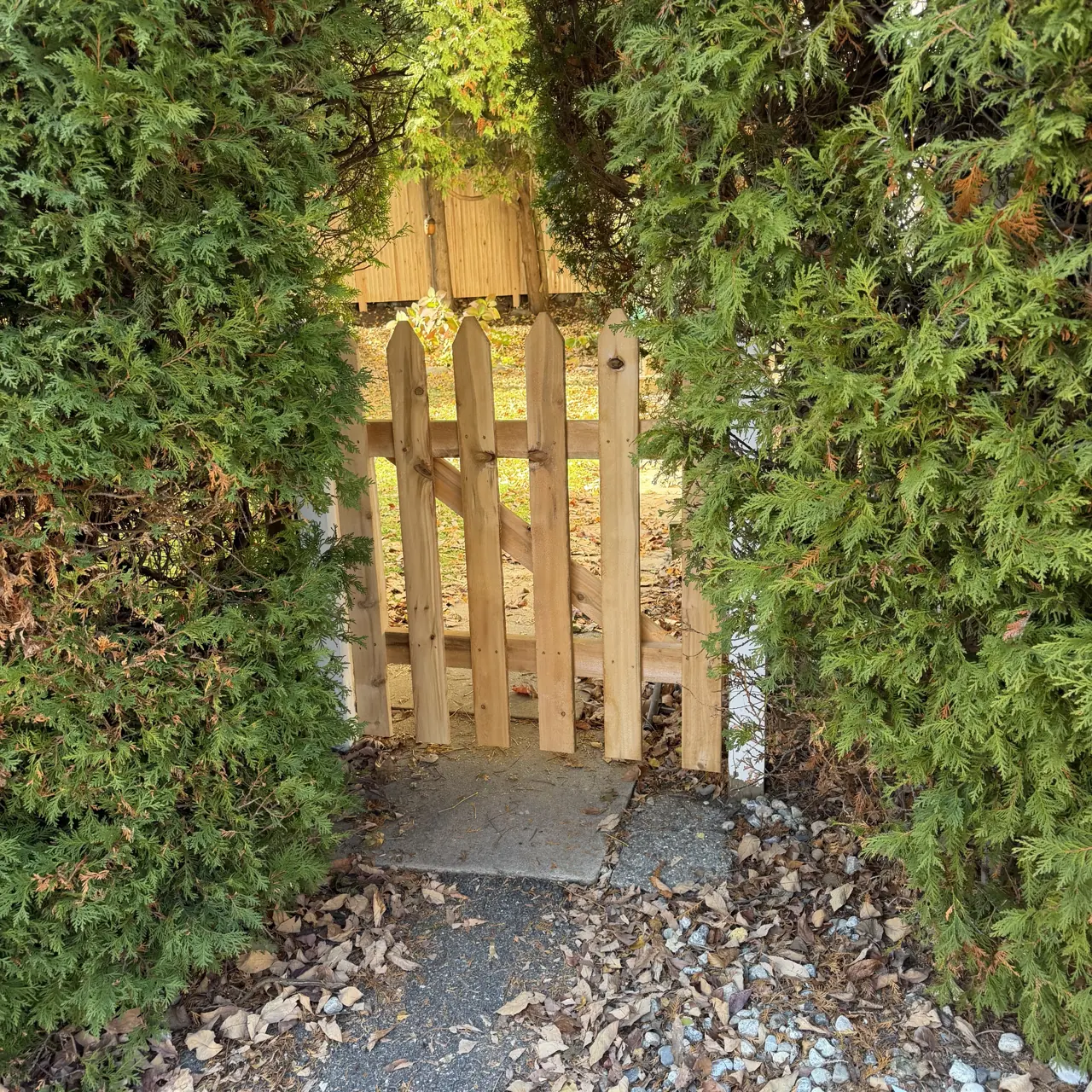
The approach includes selecting board spacing based on privacy needs versus airflow, planning gate placement for practical access, and designing sections that handle the specific grade and terrain of your property. Maintenance expectations vary depending on wood type and exposure, with moisture-prone areas requiring more attention than elevated or well-drained sections.
Questions Before Starting Your Fence Project

Wood fencing decisions involve material selection, layout planning, and understanding how Maine's coastal climate affects long-term performance and maintenance needs.

J&M Exteriors provides custom wood fence estimates that account for property layout, drainage conditions, and the specific performance you need from your fence. Request an estimate to discuss material options, gate placement, and installation timing for your Warren property.

More questions about wood fencing
What wood species work best in Maine's wet and freezing conditions?

Cedar and pressure-treated options offer different balances of natural rot resistance, cost, and maintenance requirements, with cedar naturally resisting moisture damage and pressure-treated lumber providing chemical protection against decay in high-exposure areas.

How does snowmelt affect fence stability in Warren?

Spring thaw creates temporary ground saturation and frost heave that can shift posts set too shallow or without adequate drainage, making proper depth and gravel base critical for sections installed in low-lying or clay-heavy soil common throughout Midcoast Maine.

When should I plan installation to avoid seasonal delays?

Late spring through early fall offers the most predictable ground conditions for digging post holes and setting concrete, avoiding frozen soil in winter and muddy, saturated ground during peak snowmelt in March and April.

What maintenance does wood fencing require over time?

Routine inspection for loose boards, checking post stability after freeze-thaw cycles, and applying sealant or stain as needed to slow weathering in sections exposed to direct sun, wind-driven rain, or persistent moisture from poor drainage.

How do I choose between privacy and open-board styles?

Privacy fencing uses tight board spacing to block sightlines and reduce wind exposure, while open styles allow airflow and reduce snow accumulation against the fence line, with the right choice depending on whether you prioritize screening, ventilation, or minimizing winter snow load.

From our project gallery

View the full gallery
CallPlan your free estimate